The Rainforest— Amazon, Andes, and the Atacama
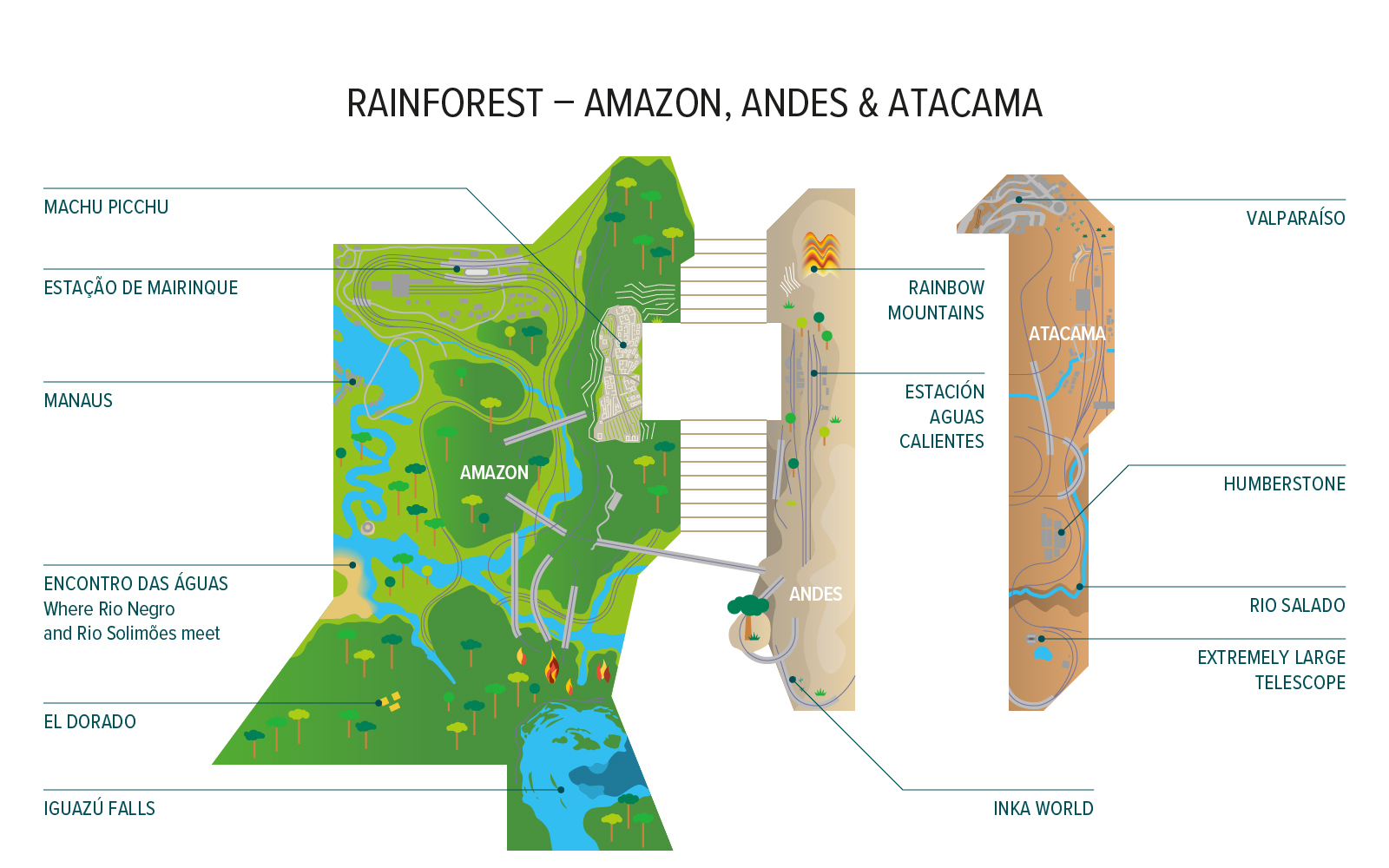
From lush tropical greenery to barren yet colorful landscapes: In the largest South American section, contrasts come together that could hardly be more striking. Spanning 175 square meters, the exhibit features the Amazon Rainforest, the Andes, and the colorful Atacama Desert.
When you cross the bridge over the canal and enter the World of South America World in the adjacent warehouse building, a vast natural paradise unfolds before you. After four years of construction, the rainforest—the centerpiece of our South America section—has been completed. Spanning continents and time zones, our model builders worked together with the Martinez family from Argentina on one of the largest and most elaborate projects in our history.
The Amazon Rainforest
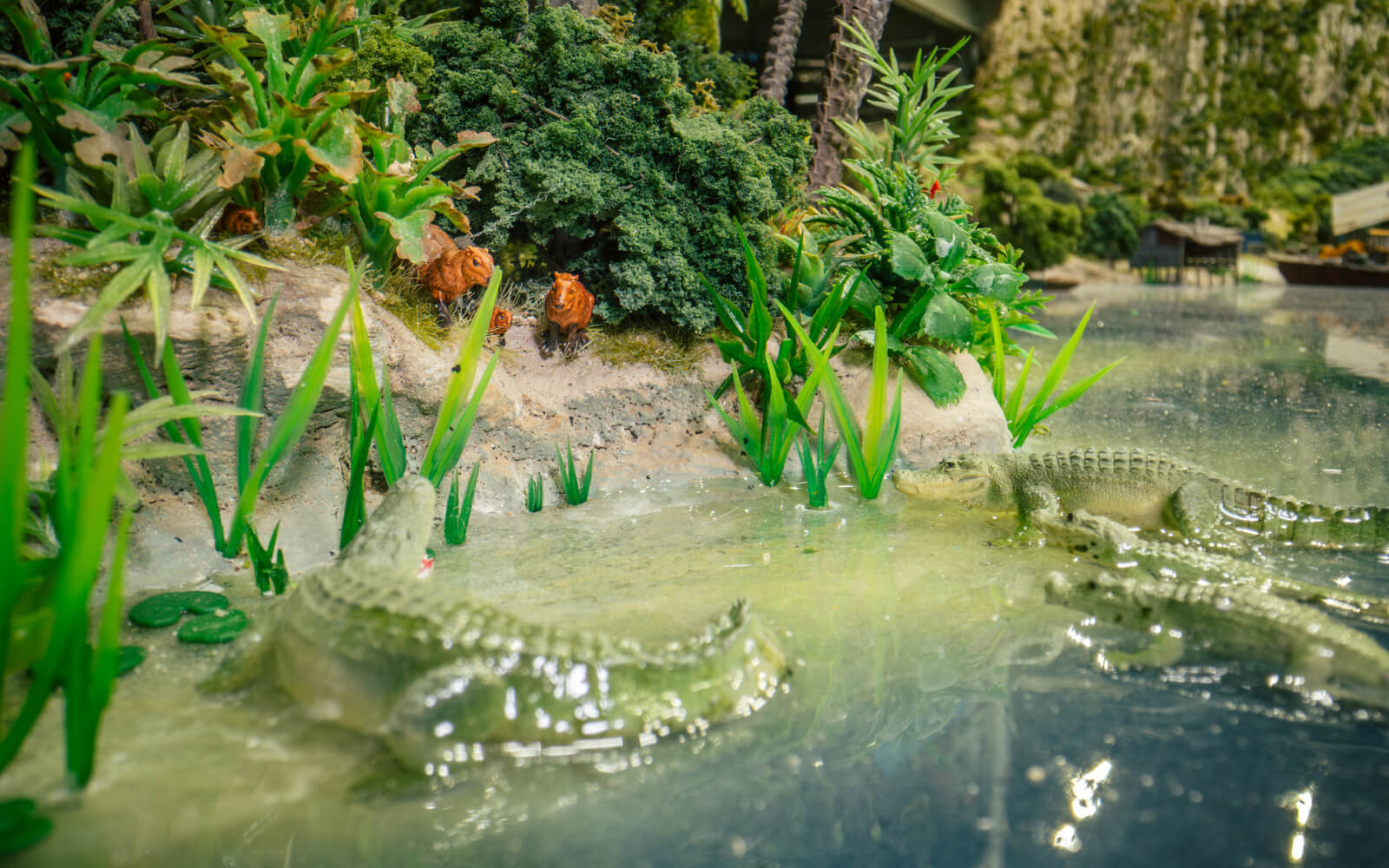
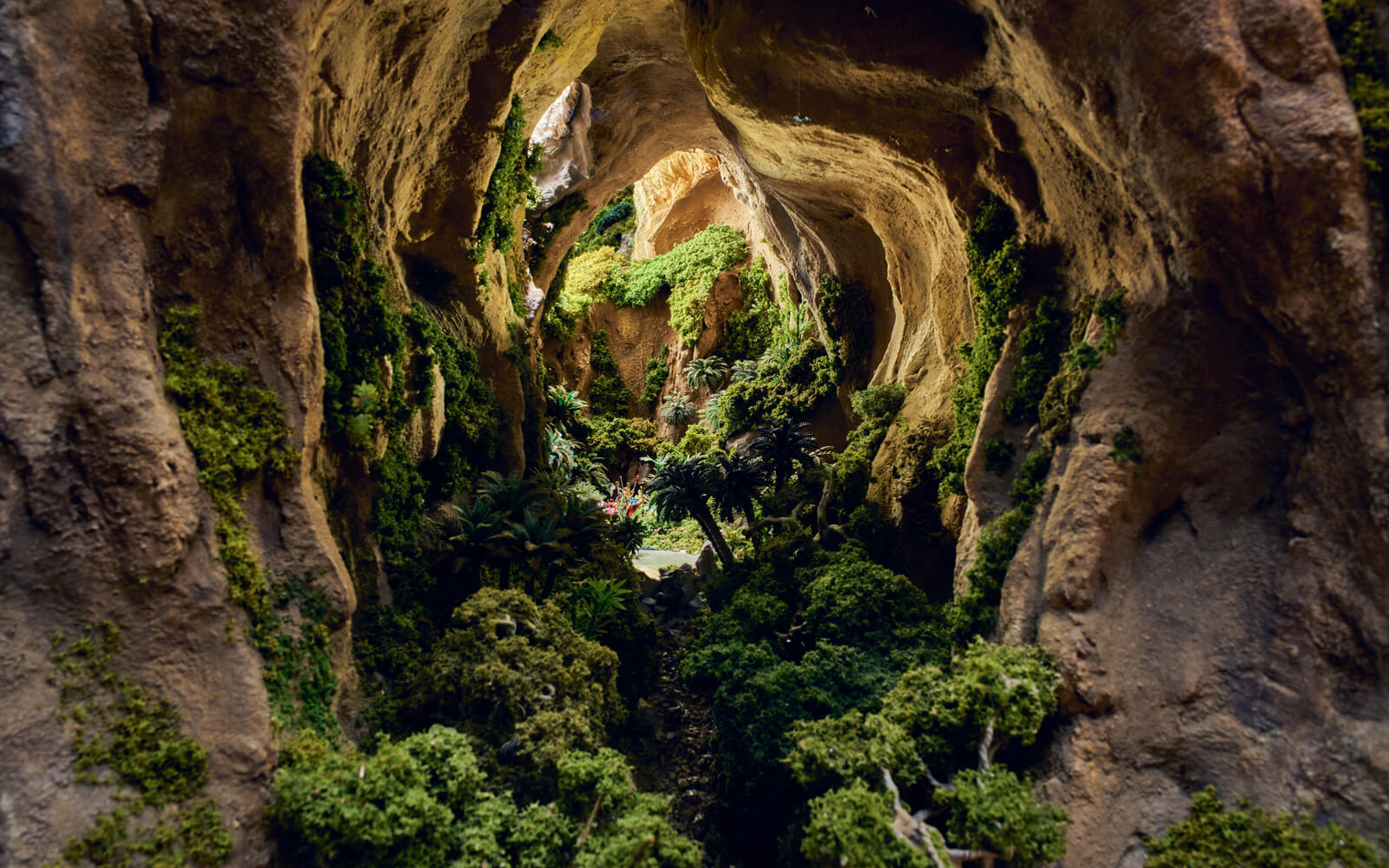
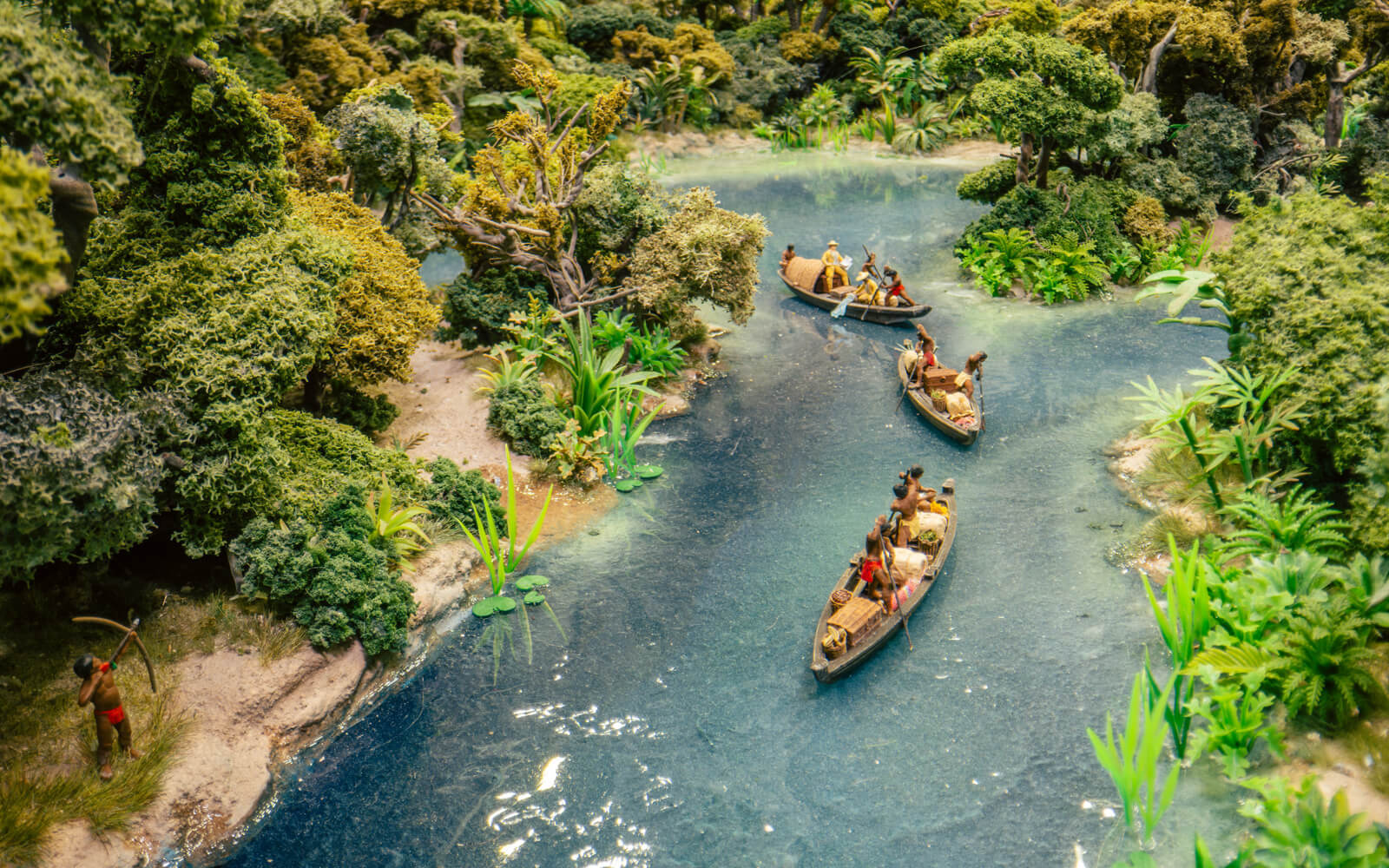
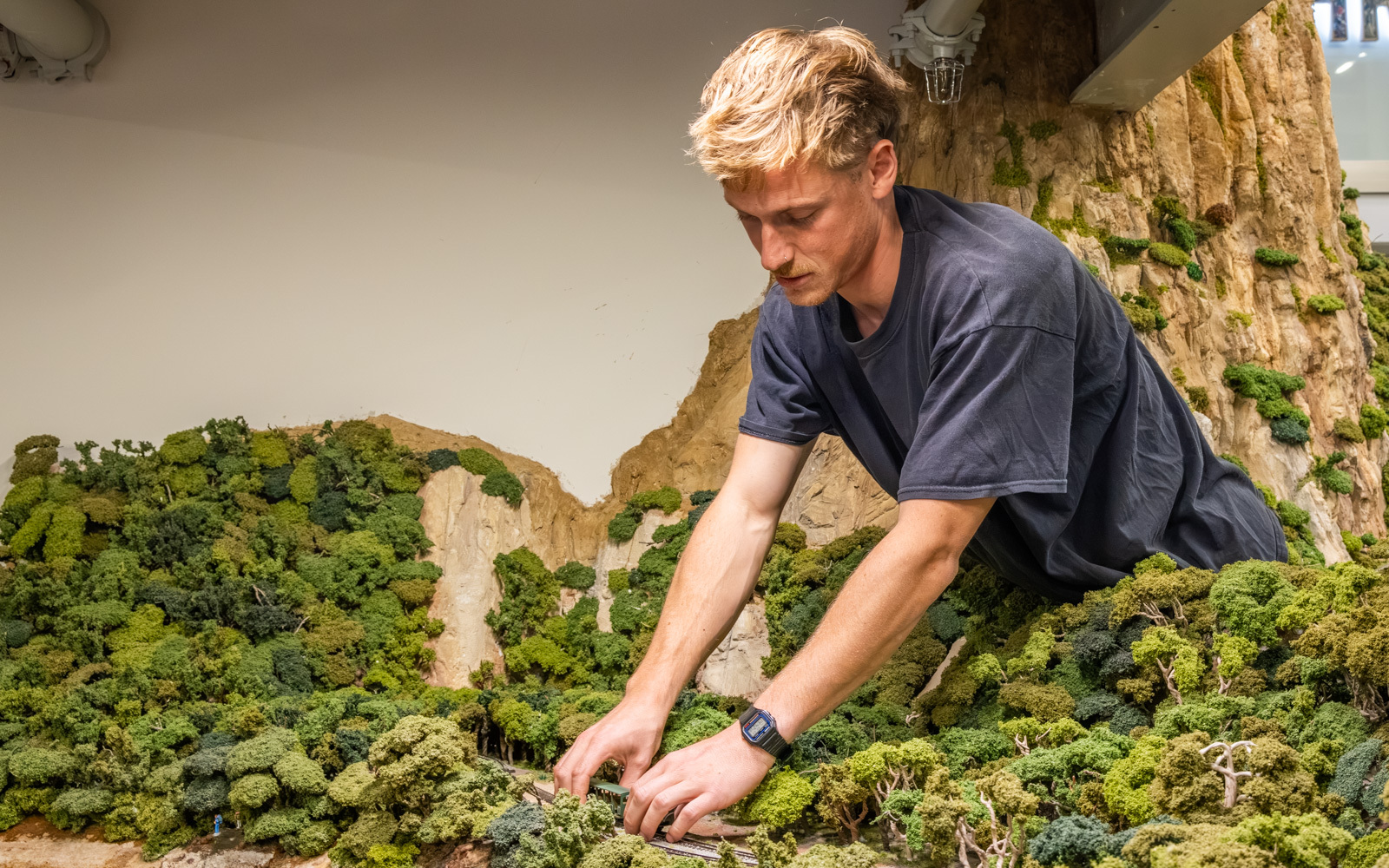
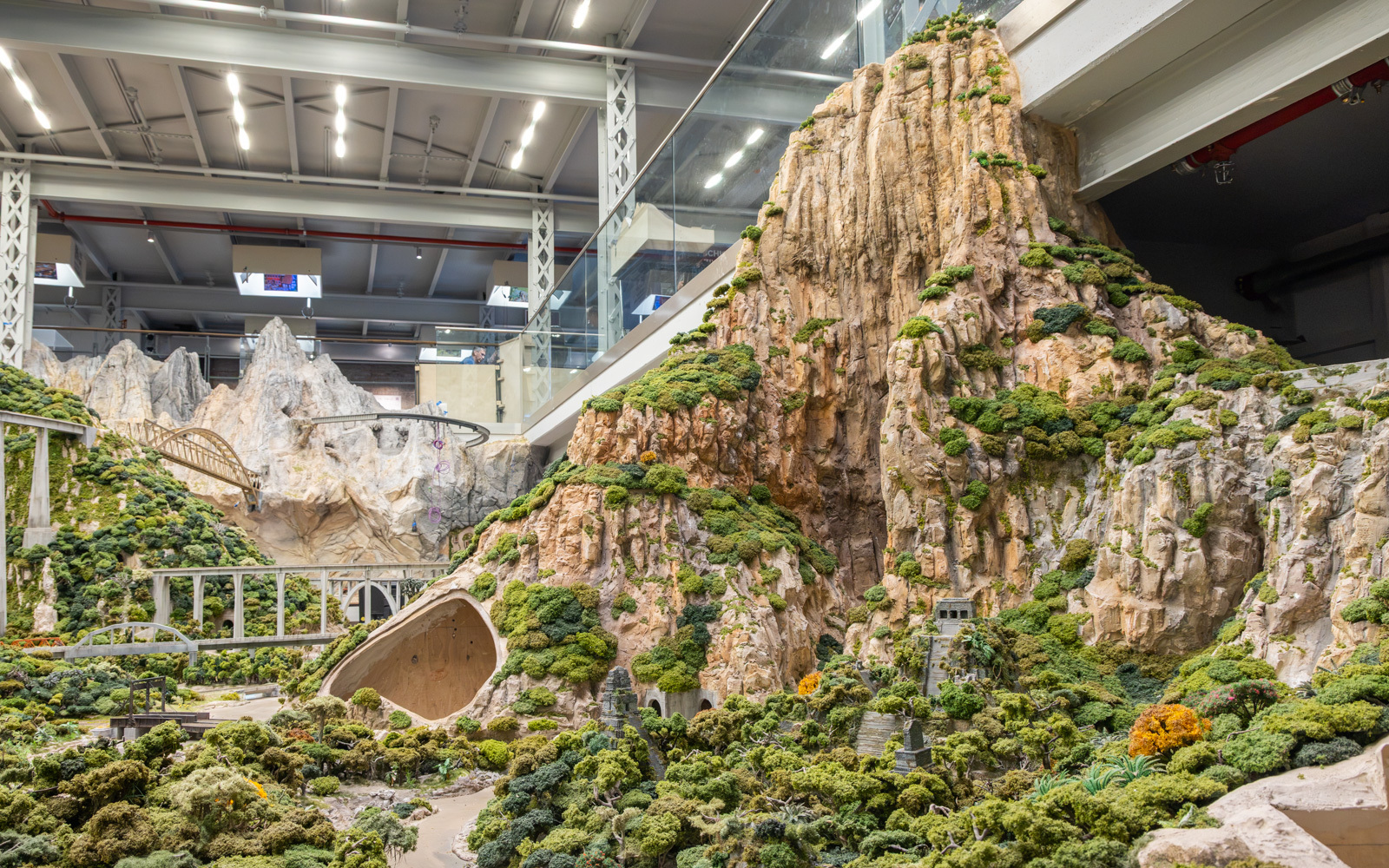
At the heart of the rainforest are some 30,000 handcrafted trees that form a dense, multi-layered tropical landscape. Even with the very first tree prototypes, the team experimented with a wide variety of materials, shapes, and techniques to capture the diversity of South American vegetation as authentically as possible. The result is a vibrant world of towering giant trees, winding waterways, and extraordinary wildlife. Jaguars, parrots, river dolphins, and numerous other inhabitants populate the landscape. Even the smallest animals, such as crayfish and poison dart frogs, were specially designed, printed, and hand-painted.
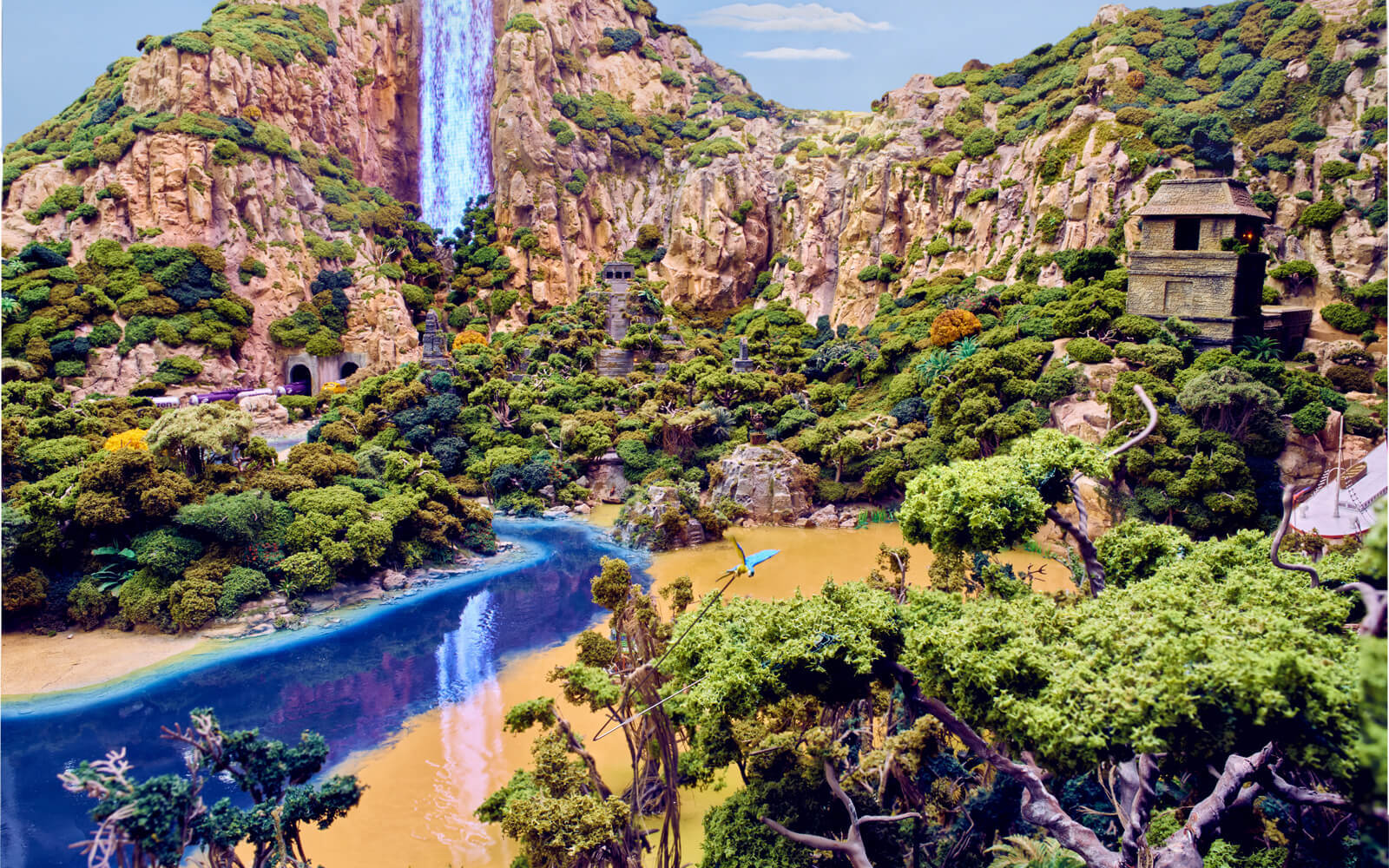
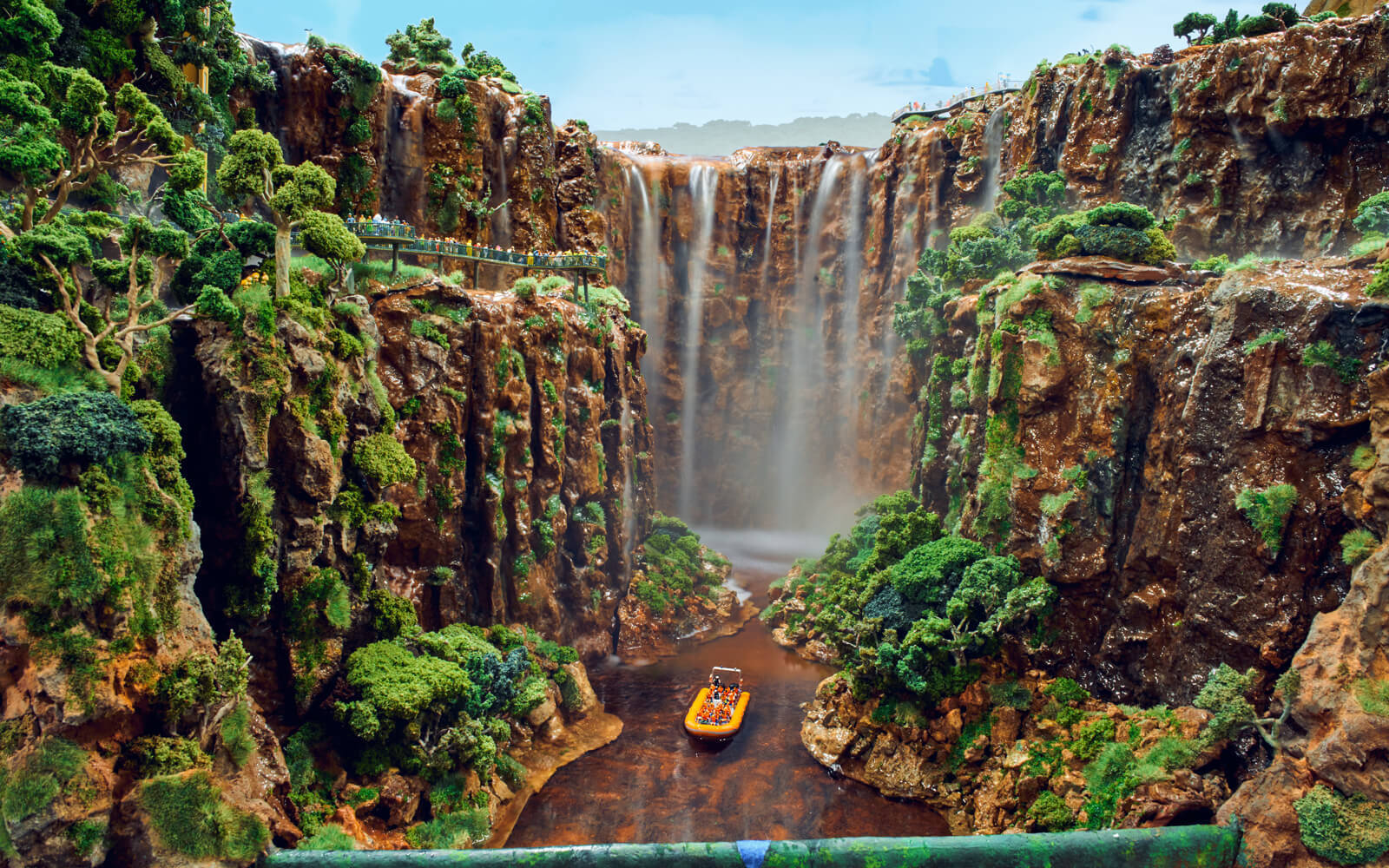
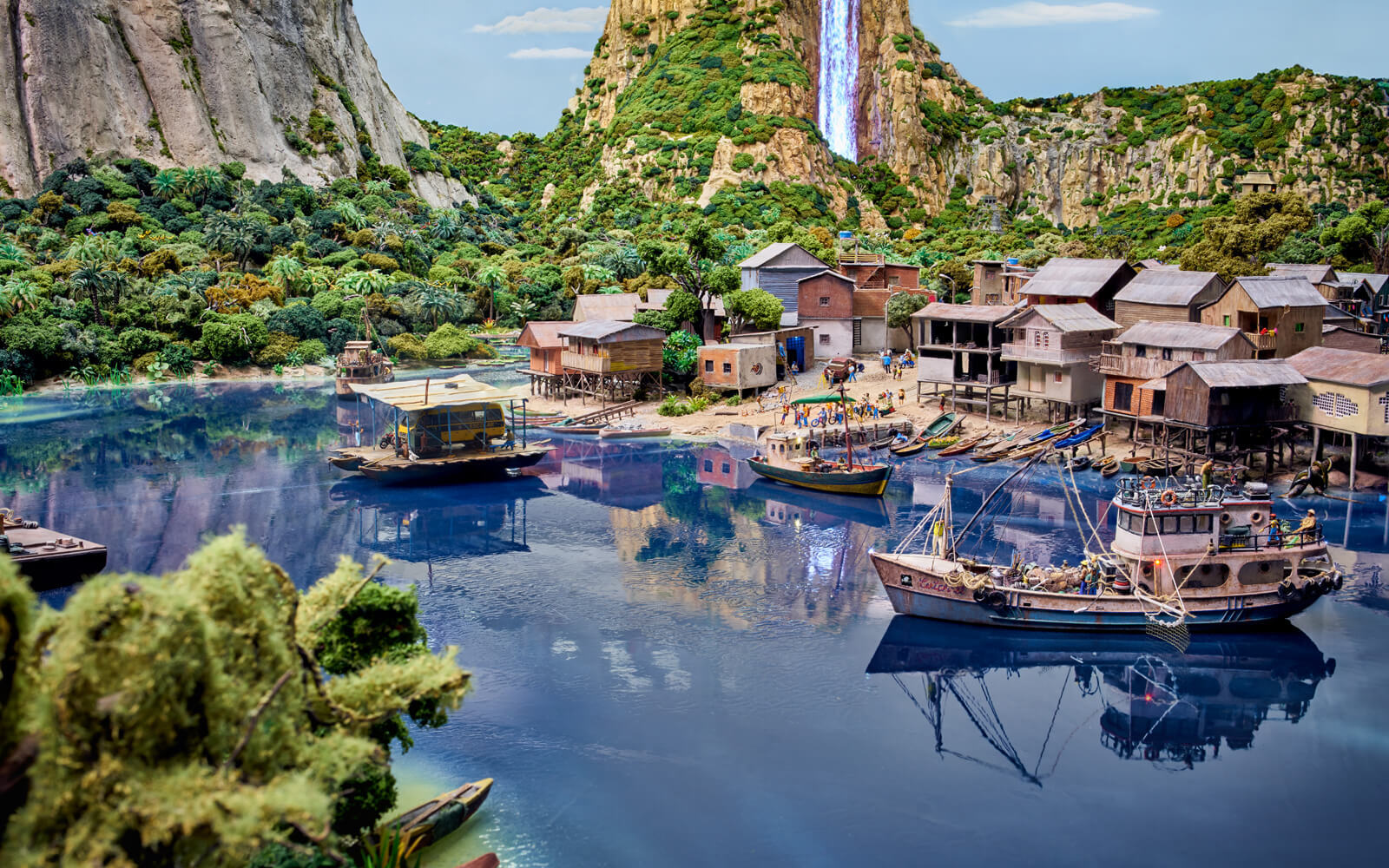
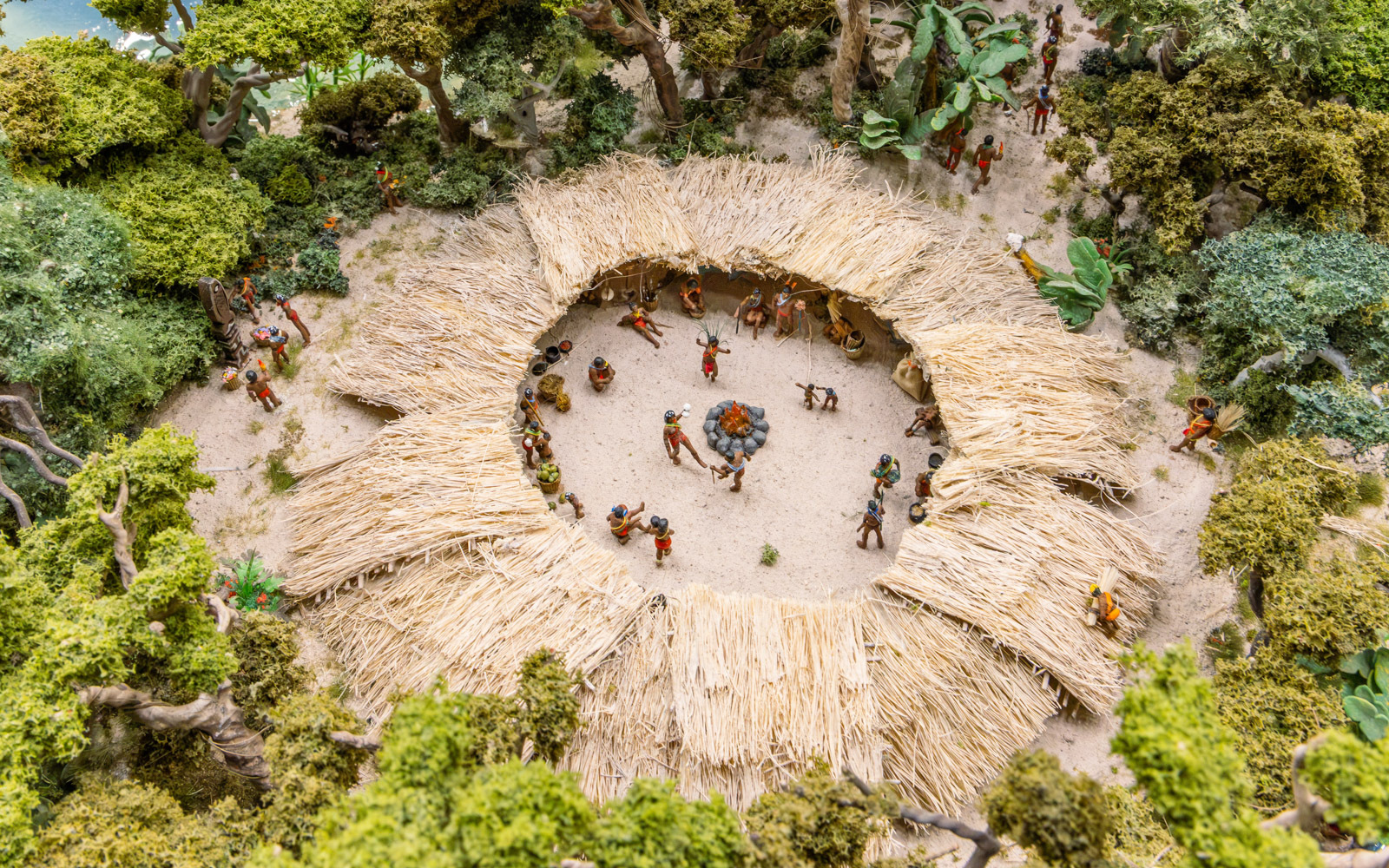
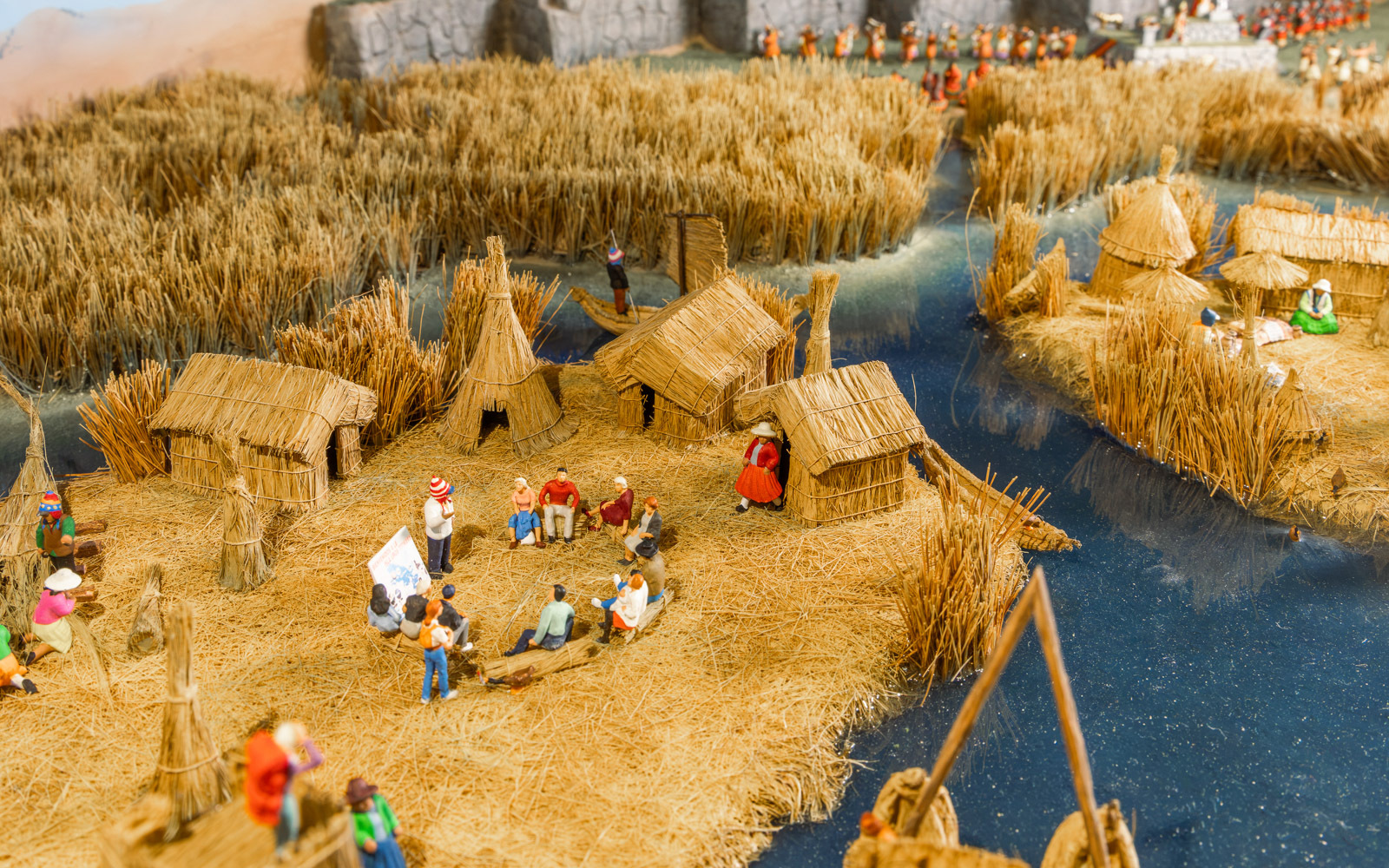
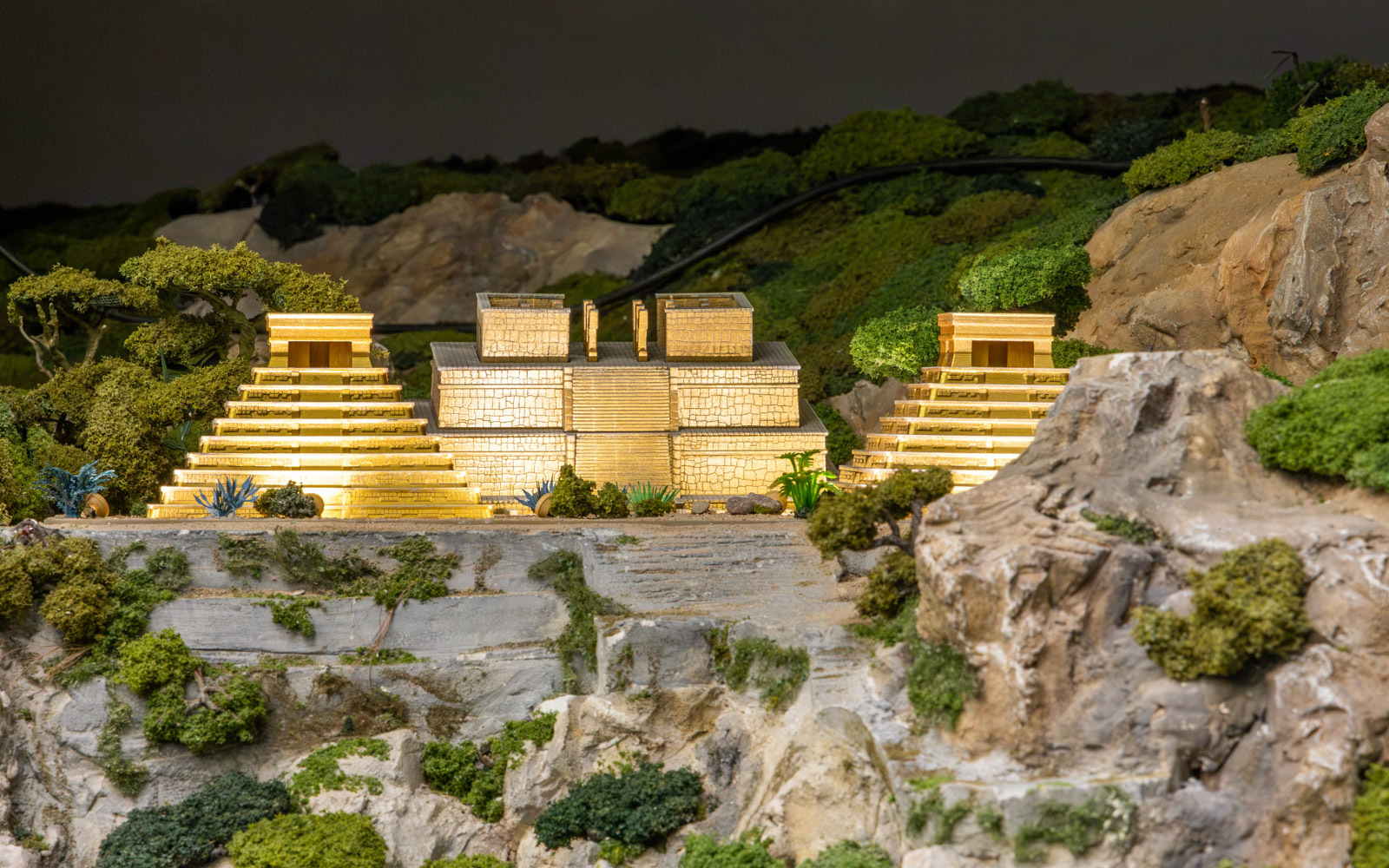
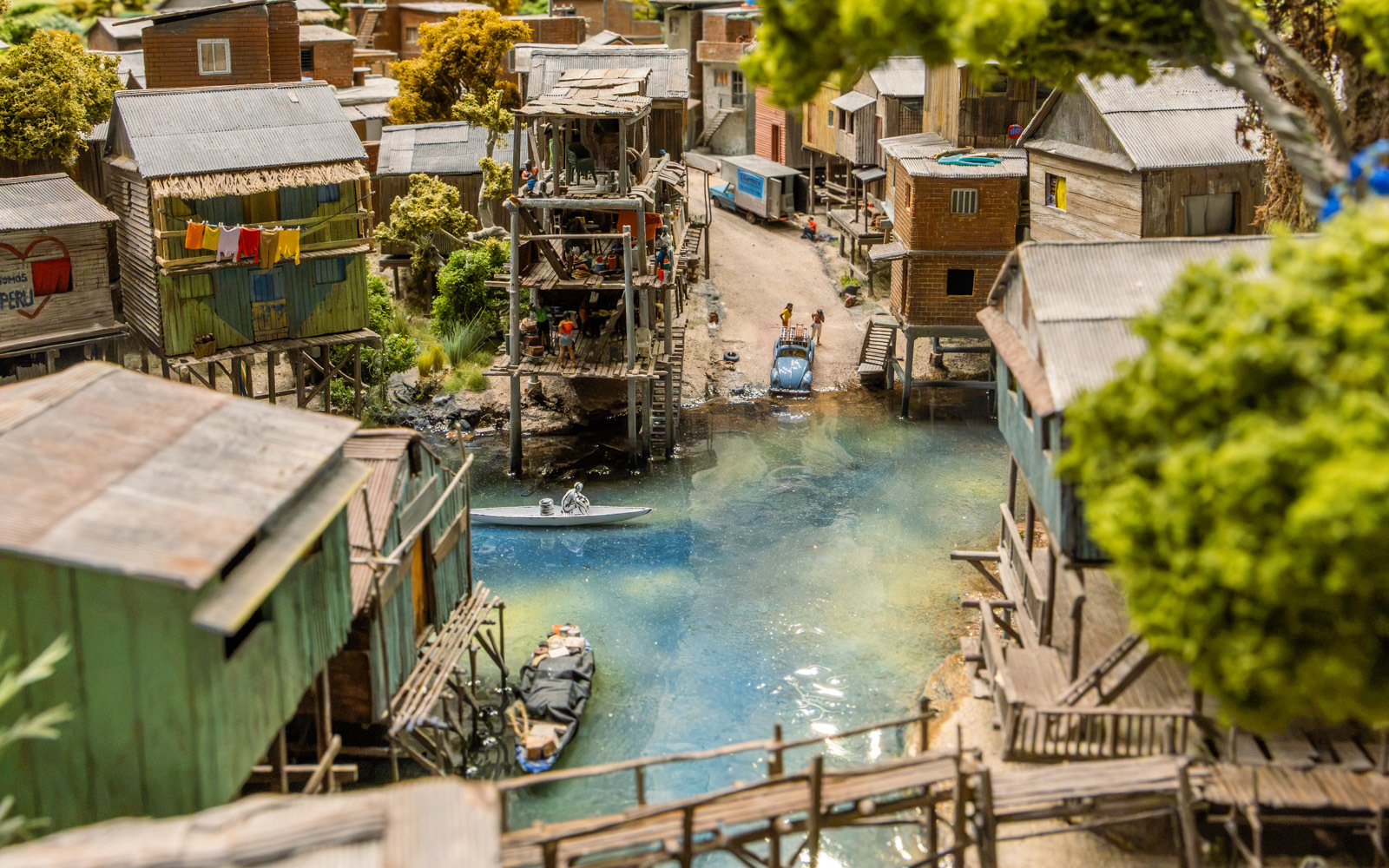
But the rainforest tells more than just the story of its fascinating natural world. Hidden among the dense greenery lie mysterious ruins and a small indigenous settlement; Manaus, with its stilt houses, offers a glimpse into life along the Amazon; and a riverboat docks at the shore. High above the treetops, Salto Ángel—one of the most impressive waterfalls on Earth—plunges into the depths. Everywhere, there are little scenes and charming details to discover.
The Andes
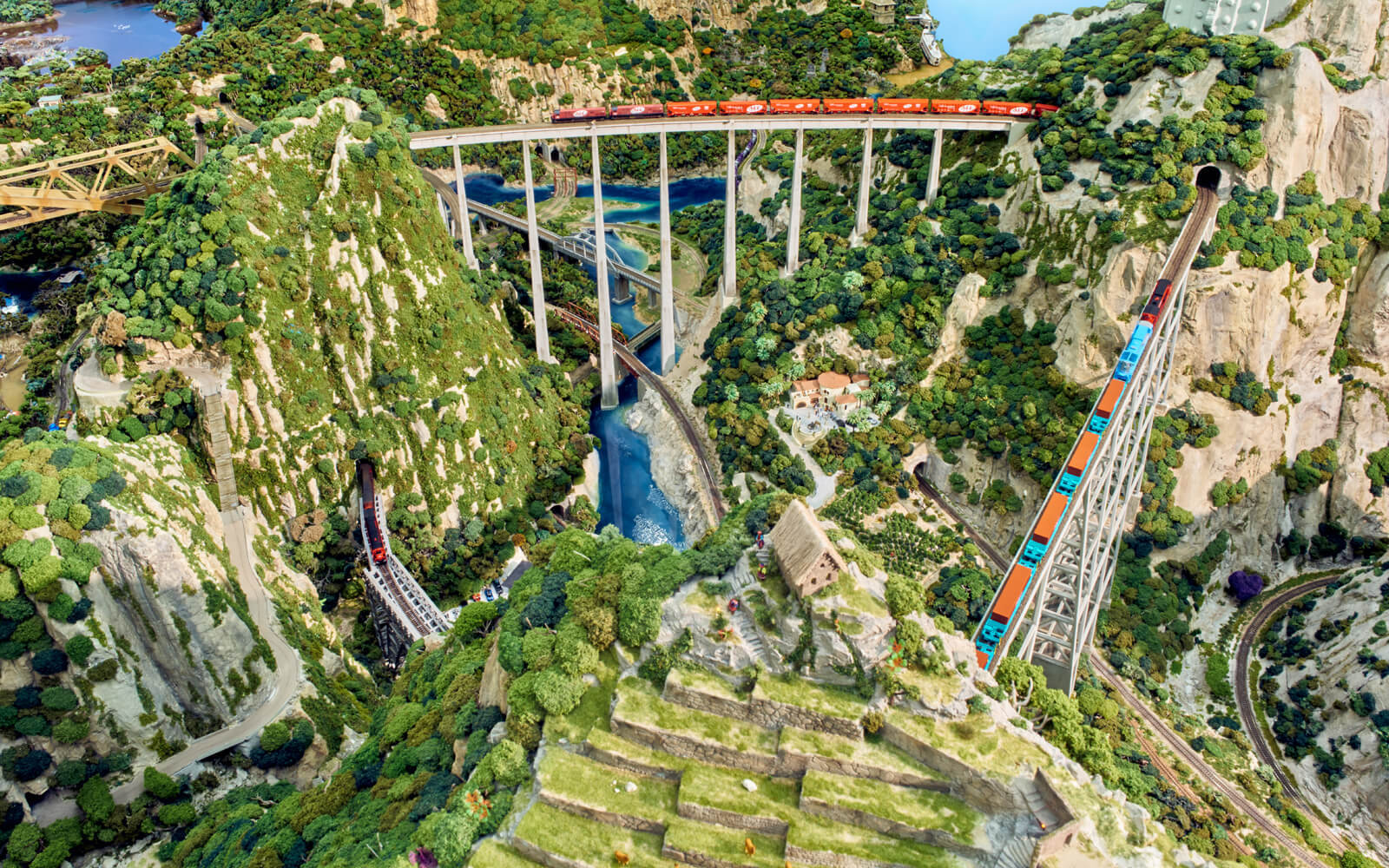
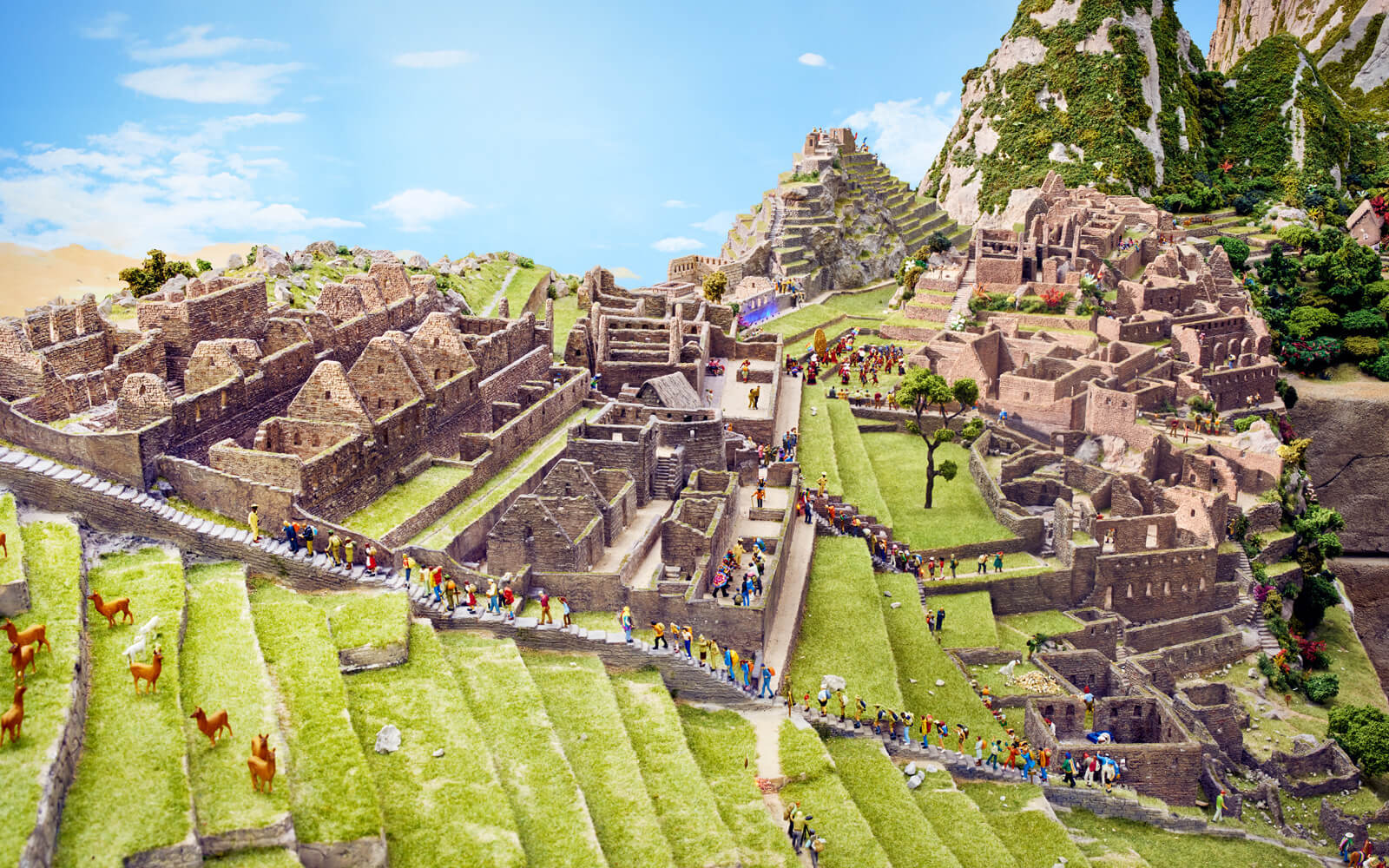
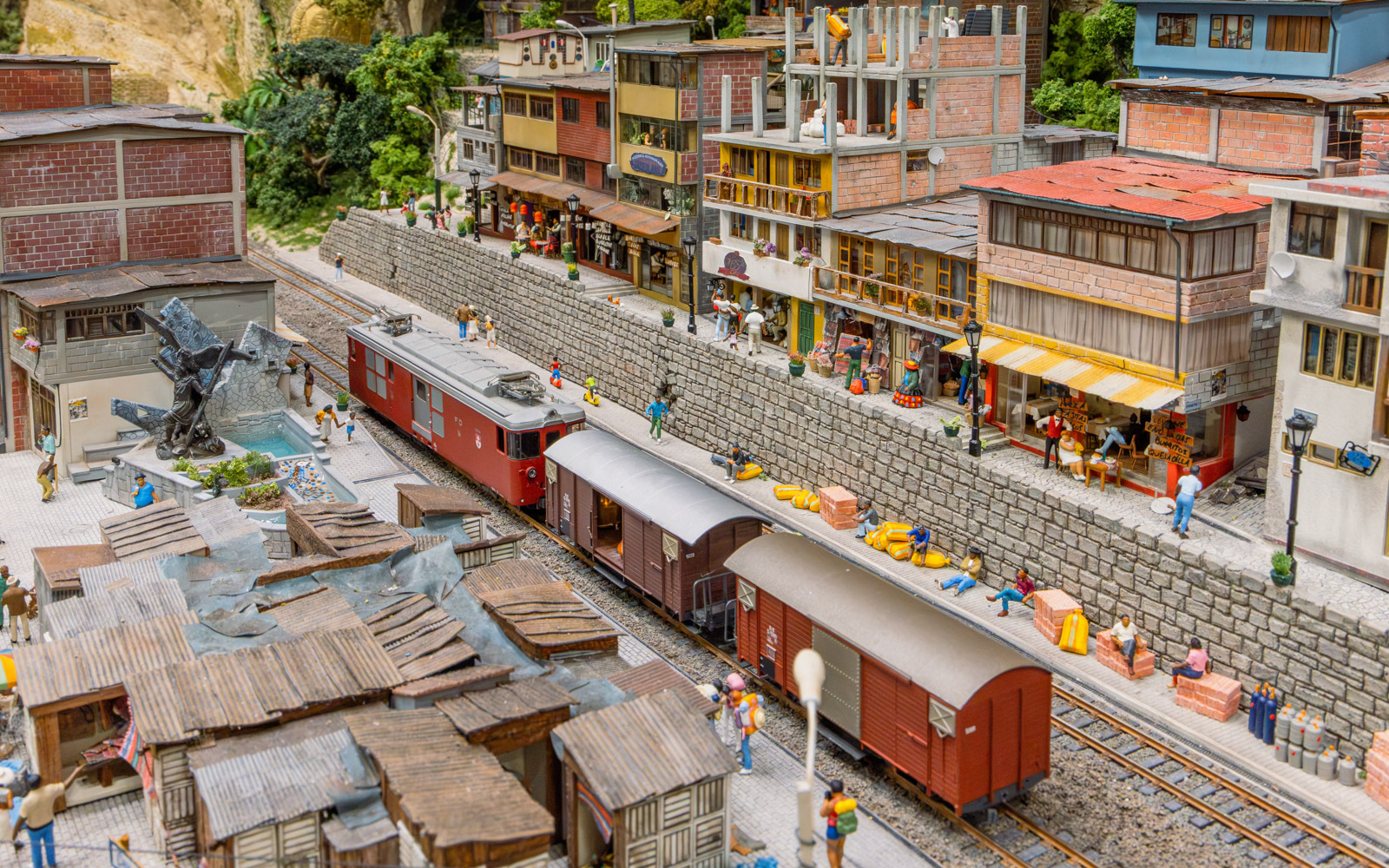
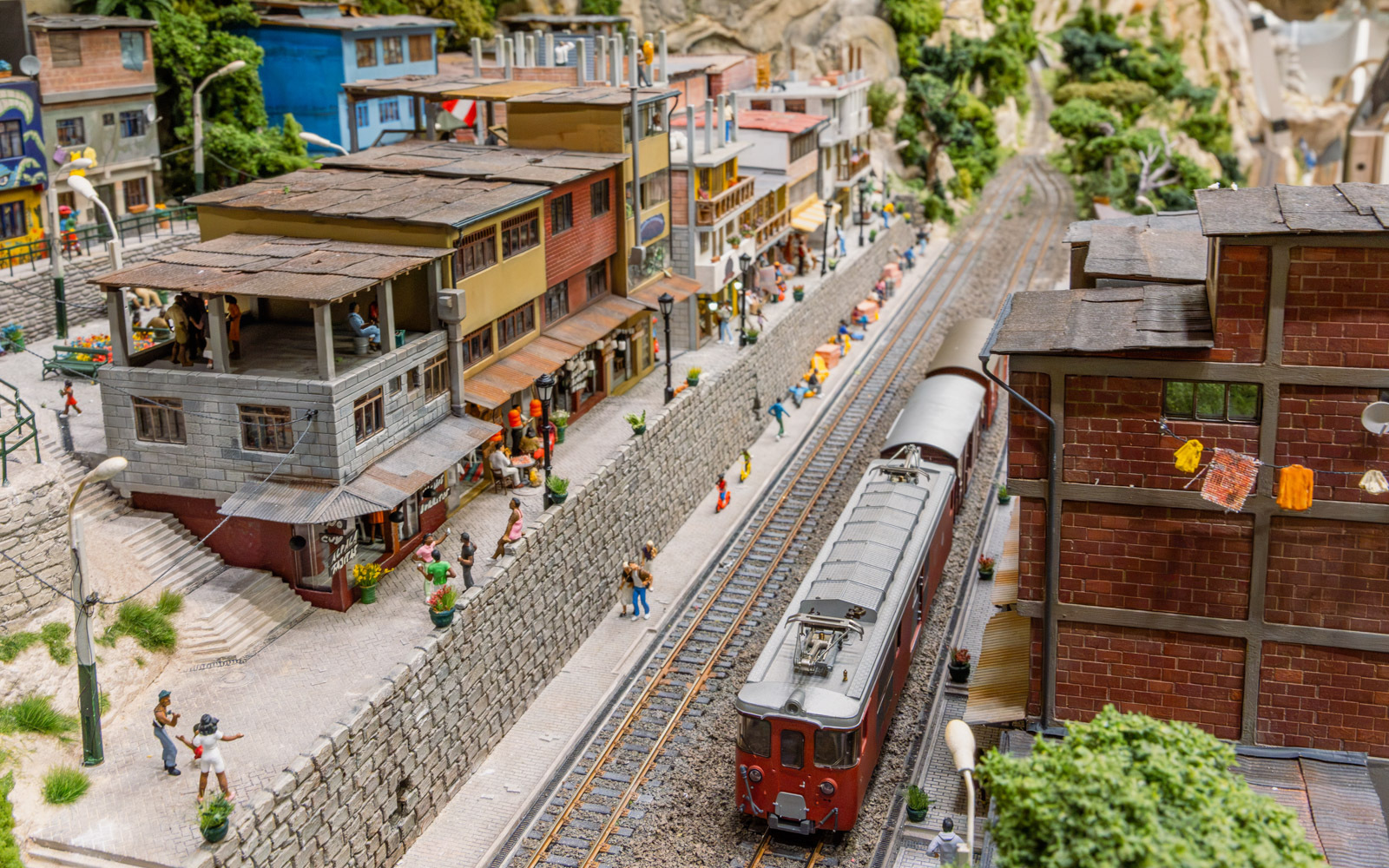
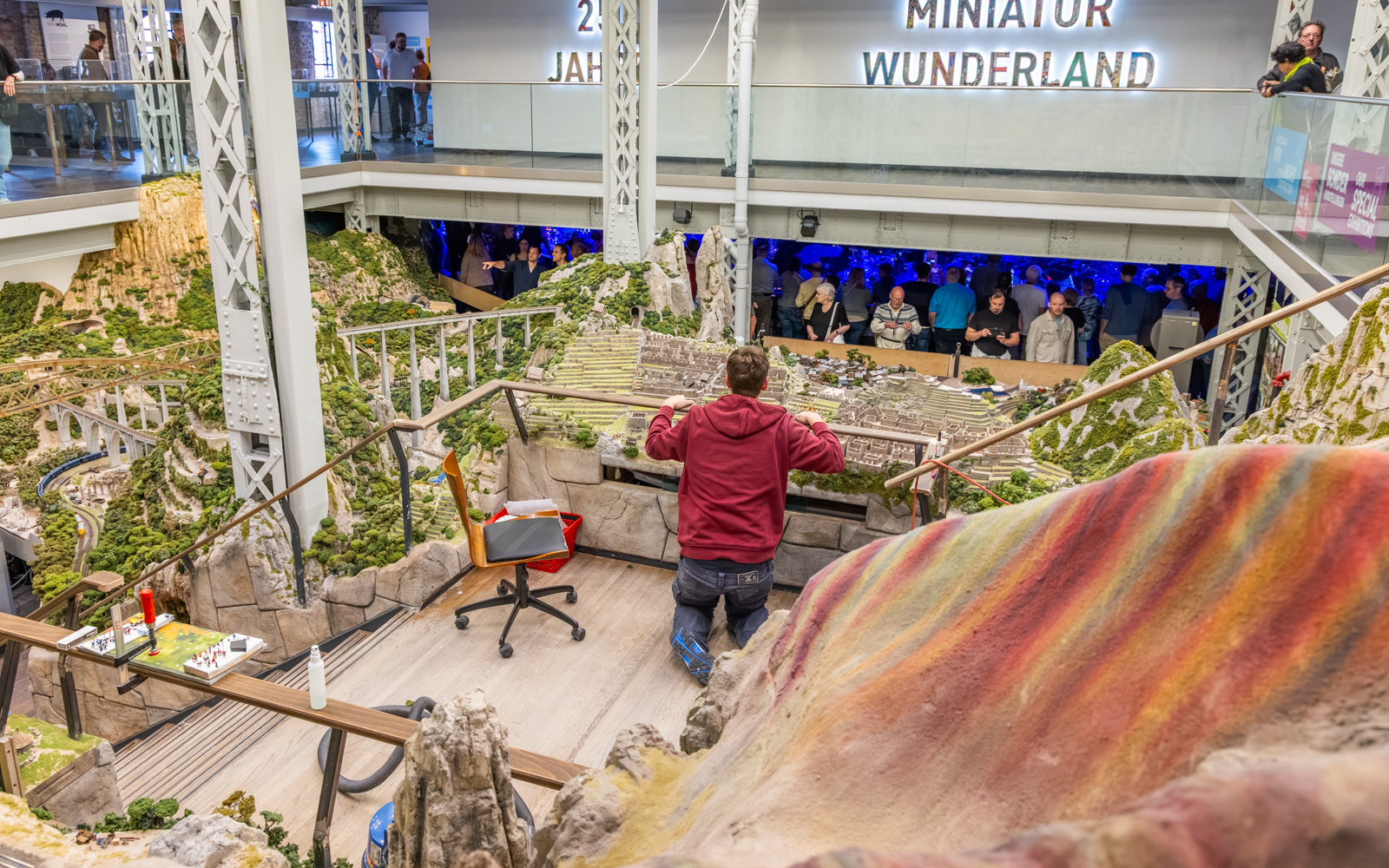
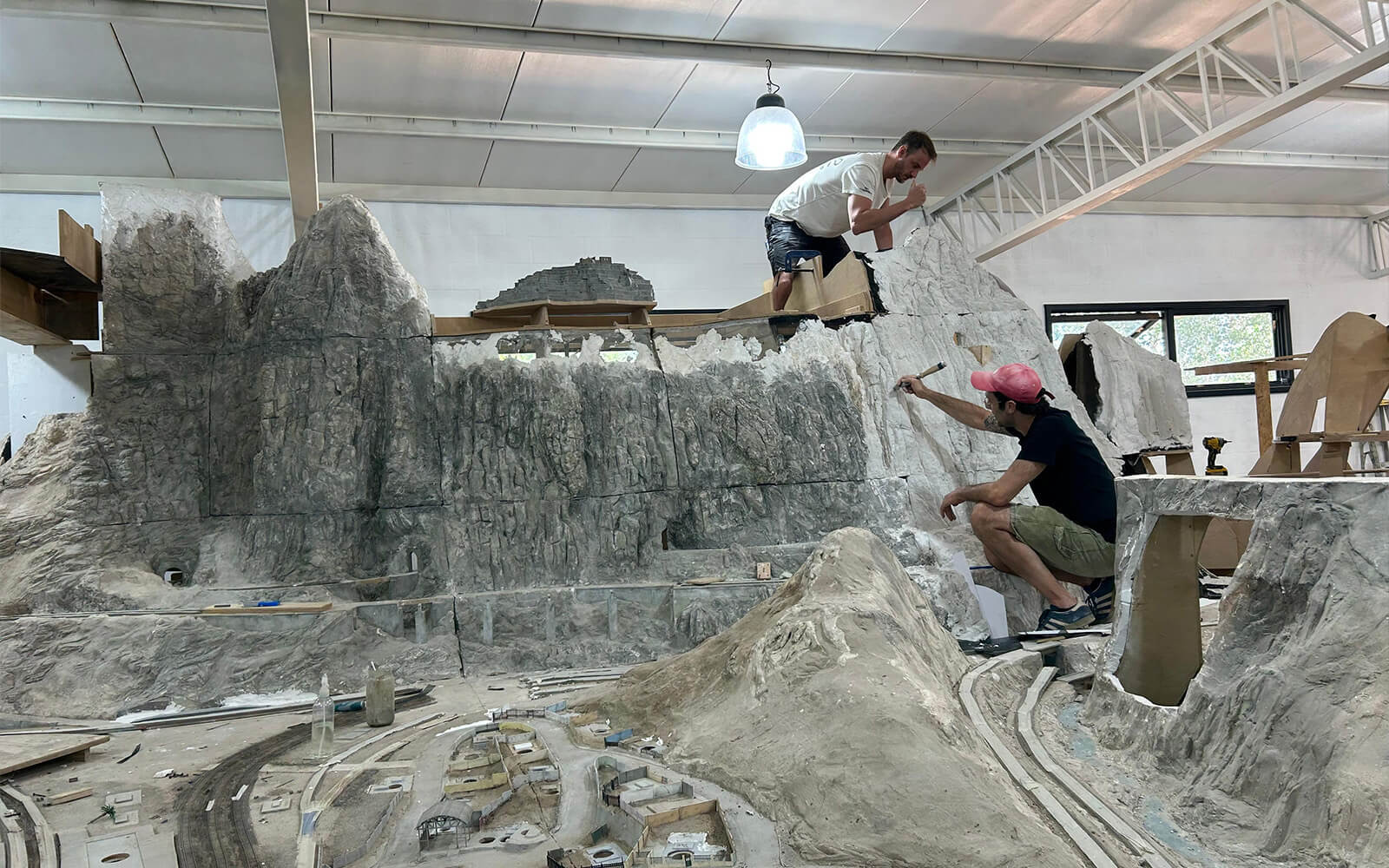
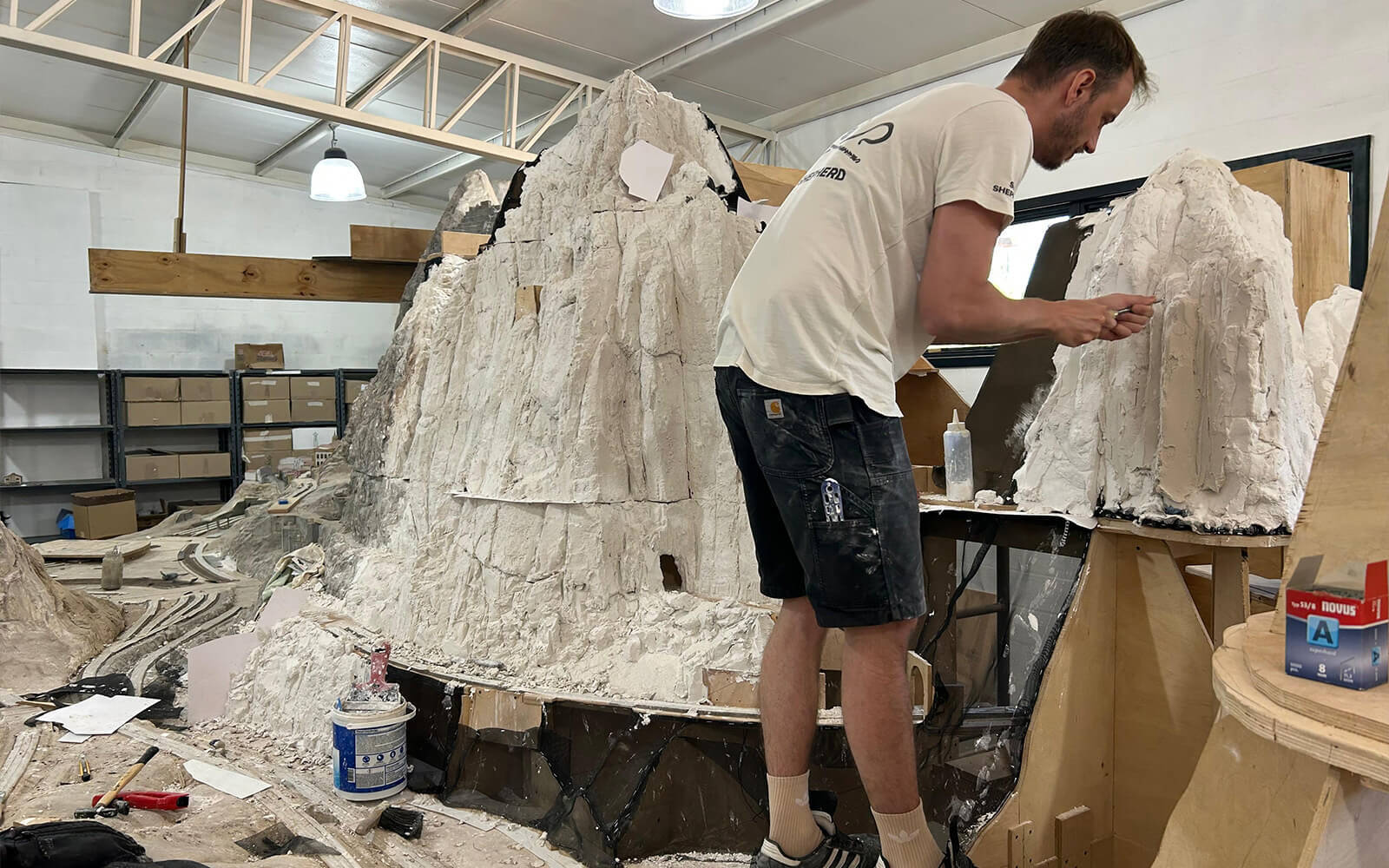
From the tropical lowlands, the journey leads up into the majestic mountain world of the Andes. The longest mountain range on Earth shapes South America with snow-capped peaks, barren high plateaus, and deeply carved valleys. In this section, these diverse landscapes come together. Particularly striking is the colorful panorama of the Rainbow Mountains, whose slopes feature various Andean landscapes rising in vibrant layers. The mysterious traces of ancient civilizations are also evident here: ancient burial towers, known as chullpas, tell of the funeral traditions of the Andean peoples, while mystical remnants of the past shape the cultural landscape. Together with the famous Inca city of Machu Picchu, they create a breathtaking panorama that reflects the region’s scenic and cultural diversity.
The Atacama Desert
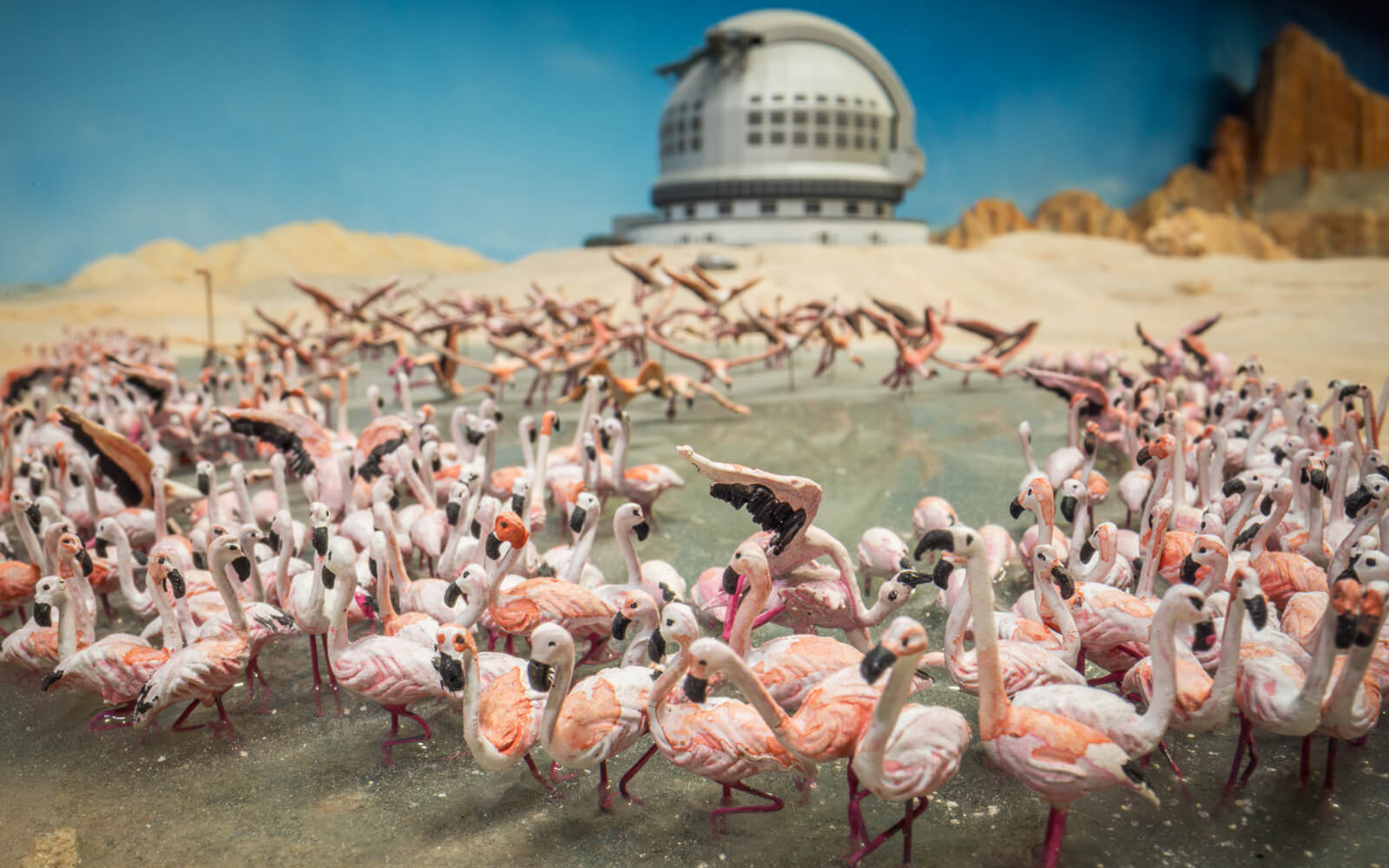
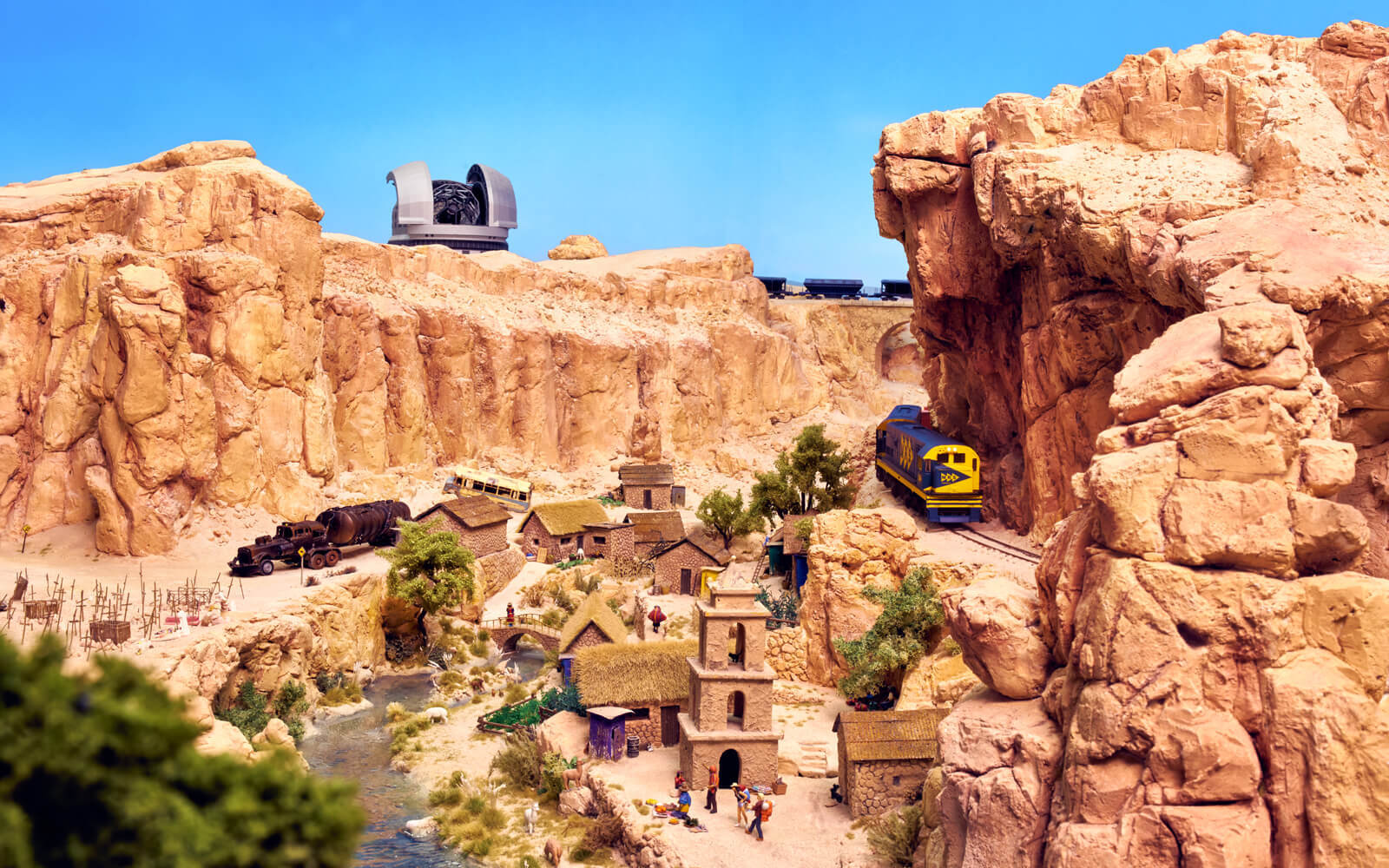
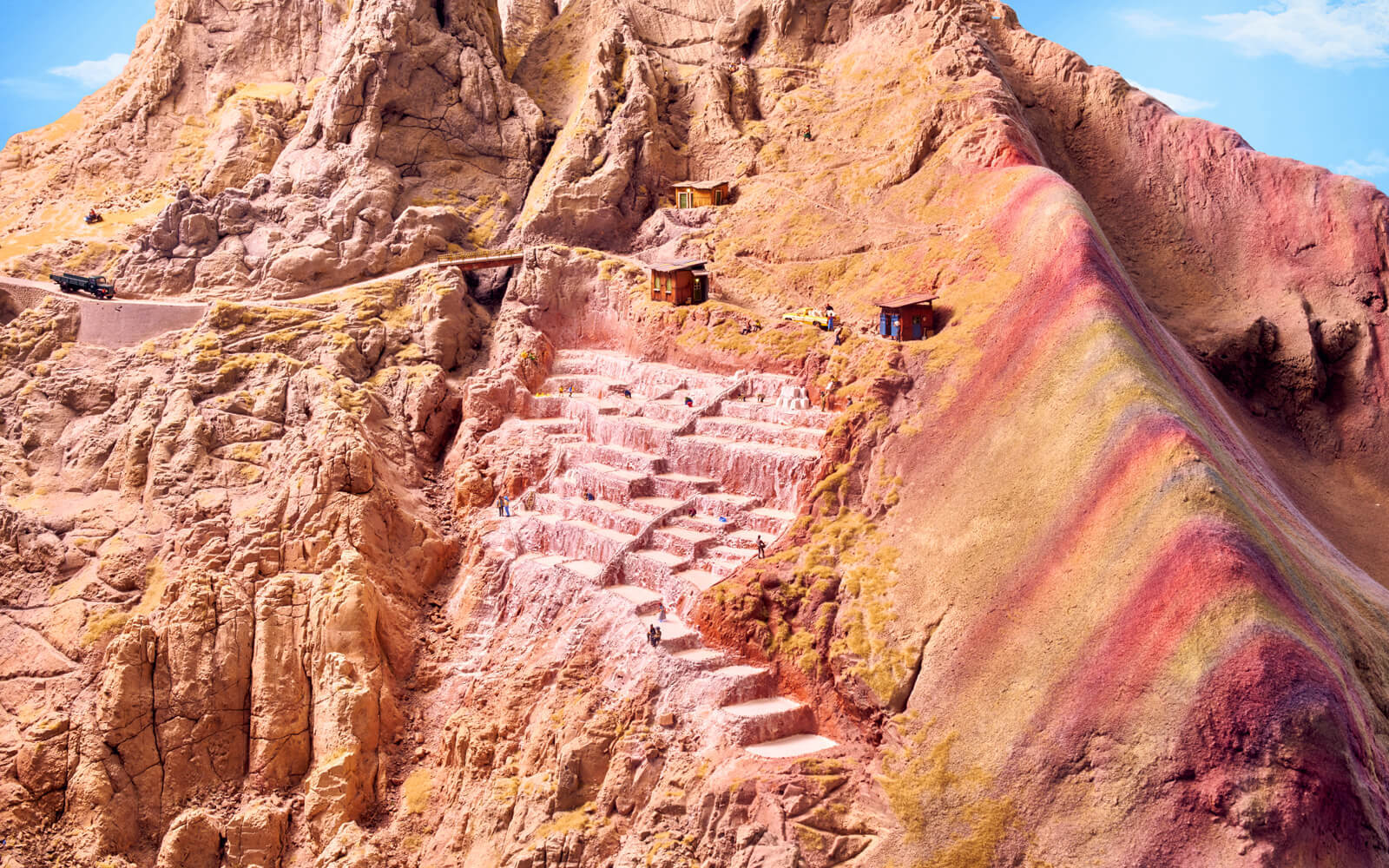
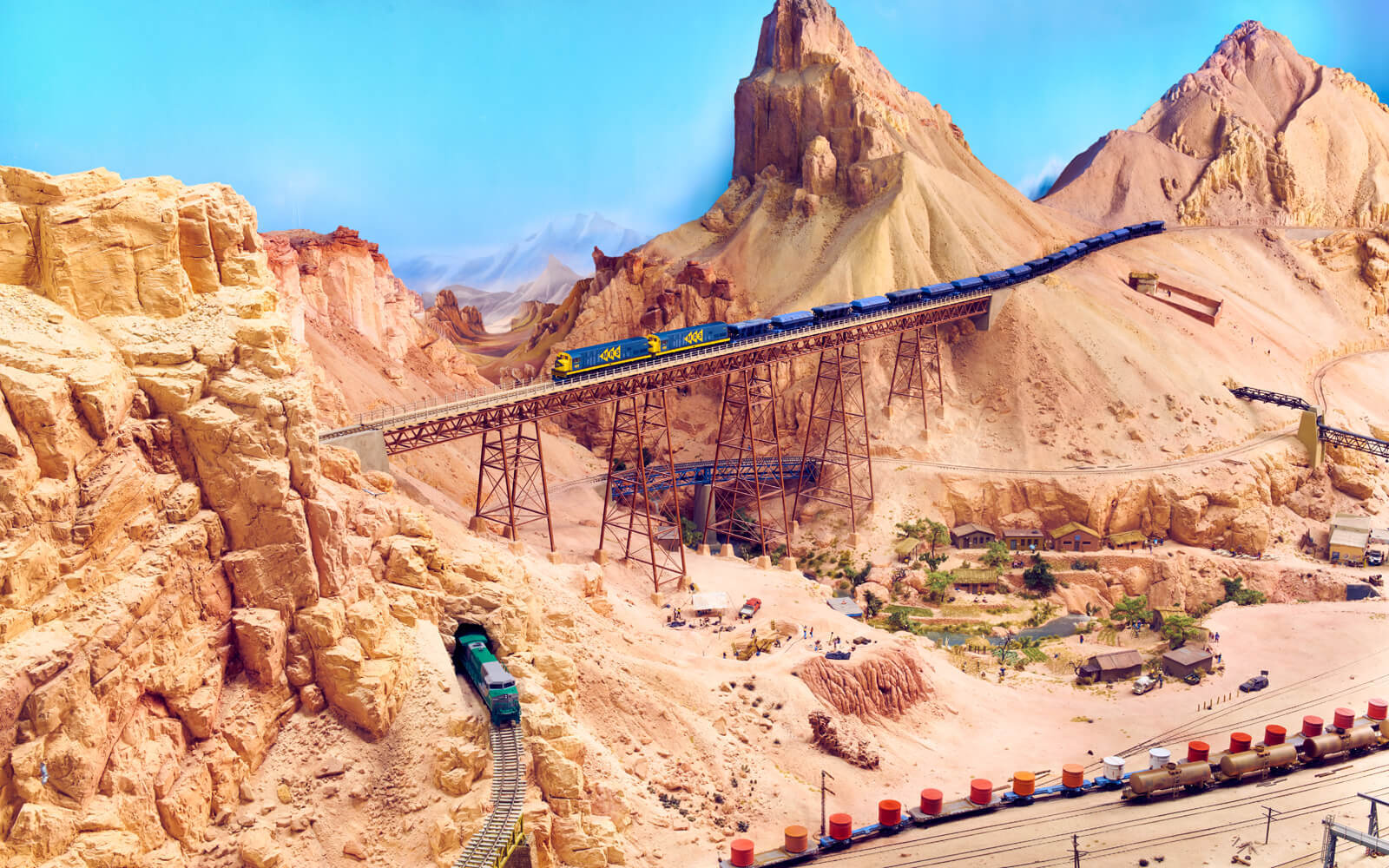
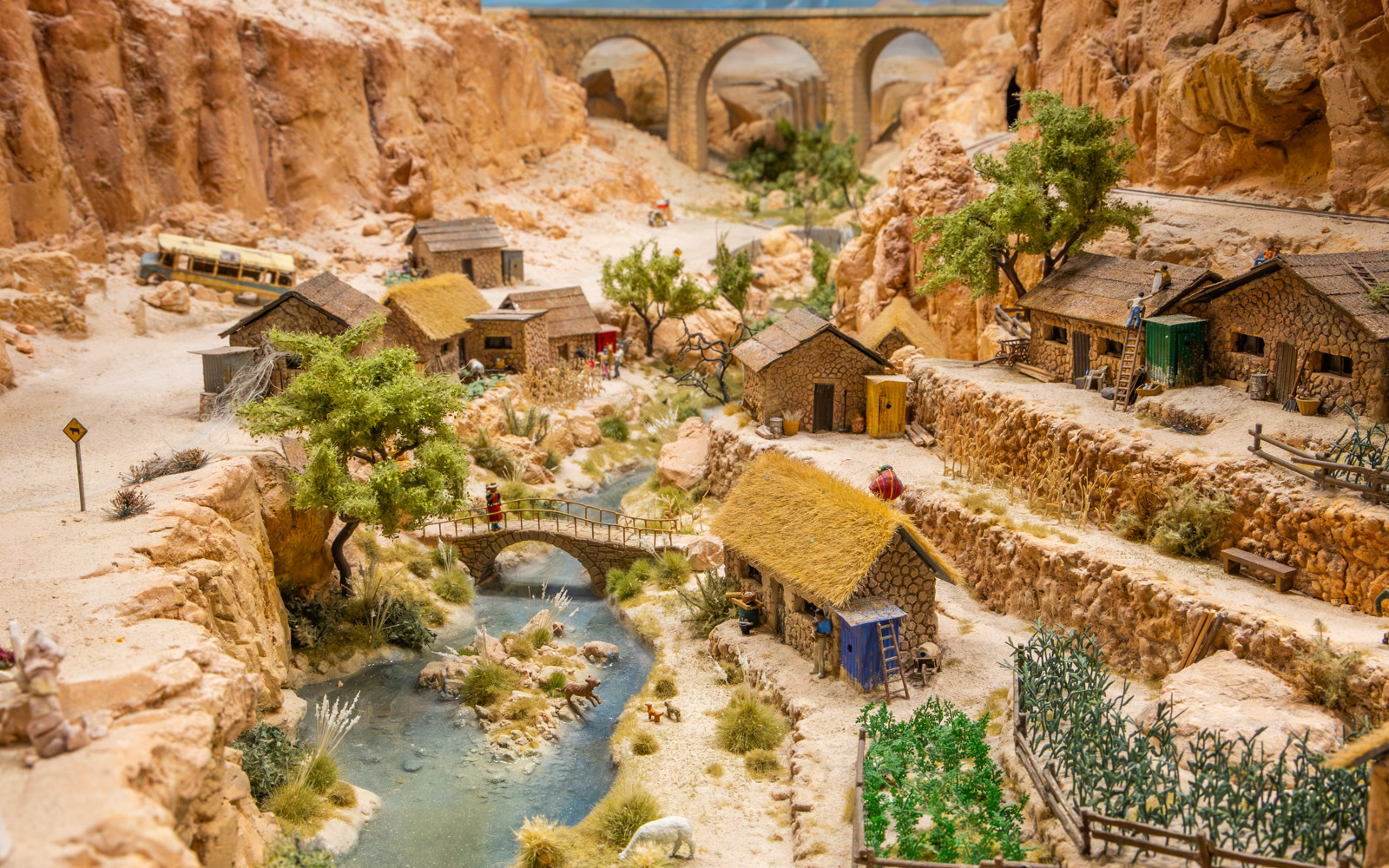
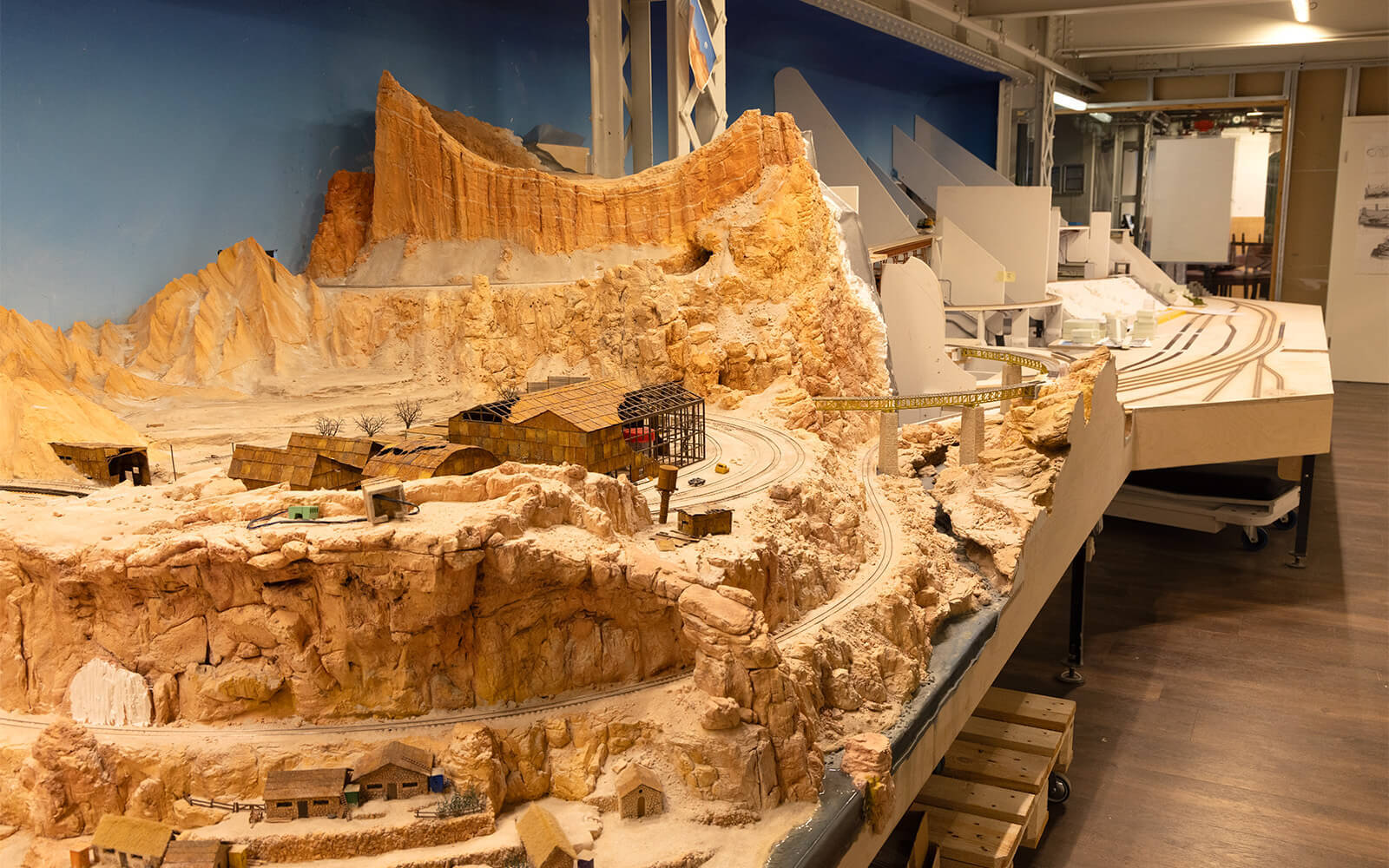
The Atacama Desert stands in almost complete contrast to this. It is considered the driest place on Earth outside the polar regions and stretches along the Chilean Pacific coast far into the Andes. Along a route of about twelve meters, a landscape has emerged here that captivates with its barren beauty and extraordinary colors. Colorful rock layers, vast salt flats, and bubbling geysers define the scene. Among the arid plains and high-altitude salt lakes, we encounter flamingos, llamas, and alpacas.
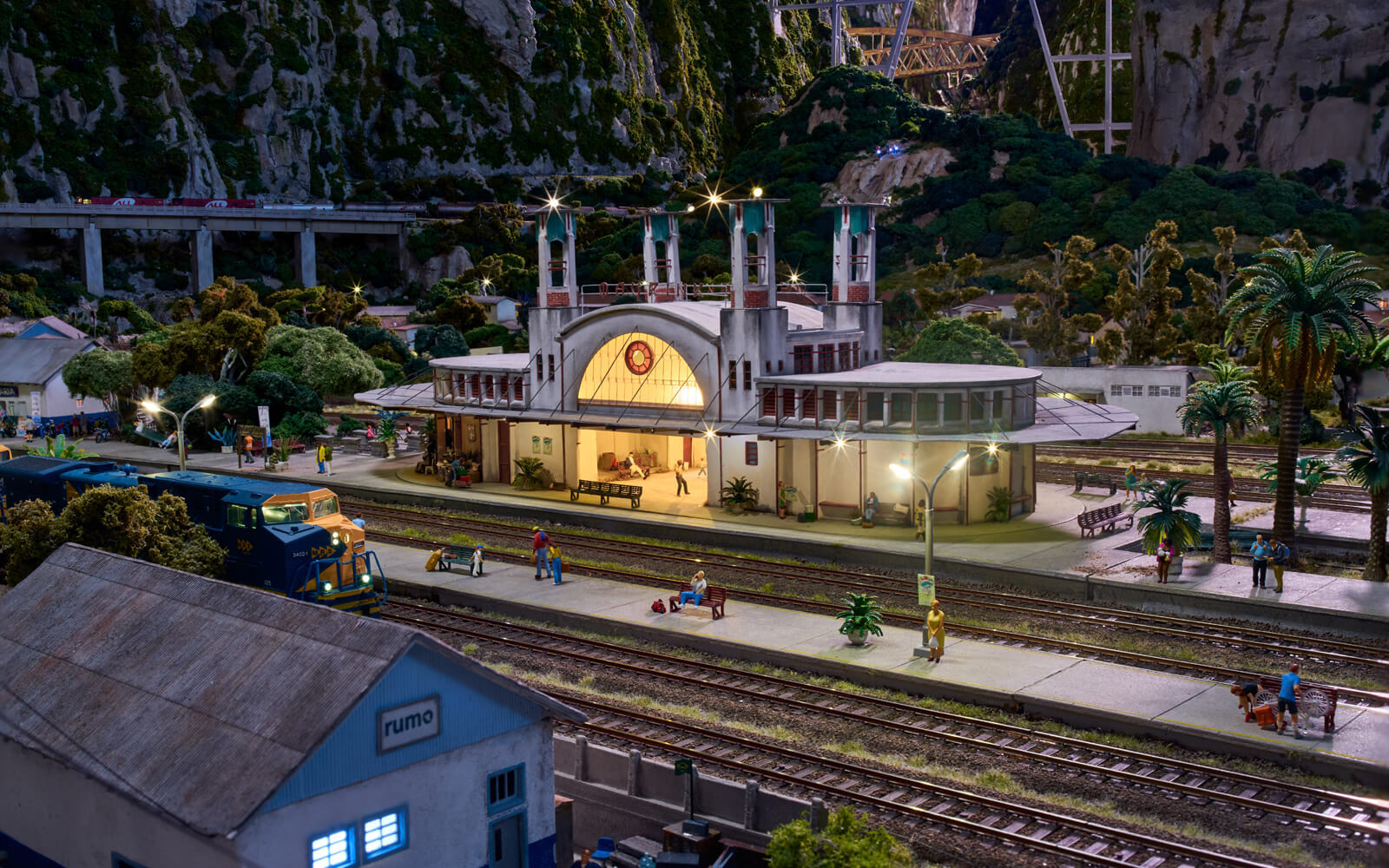
The construction of the railroad posed a particular challenge. Inspired by the region’s historic rail lines, the trains wind their way along narrow tracks through tight curves, deep gorges, and steep mountain passes. Passing by old mining facilities and abandoned settlements, they serve as a reminder of the era when large quantities of saltpeter and copper were mined in the Atacama. Humberstone, a former saltpeter mining town, has also come back to life as an impressive ghost town.
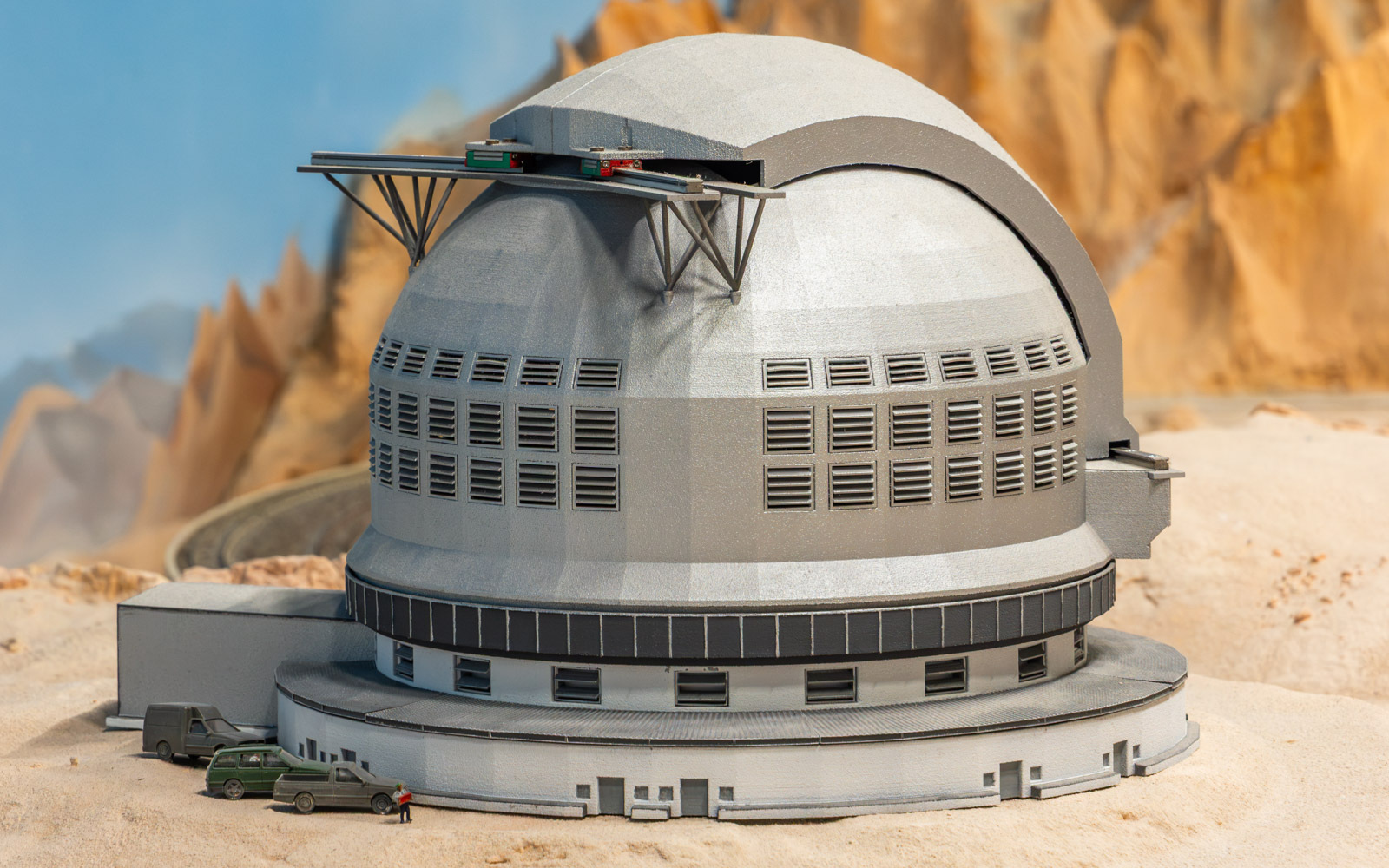
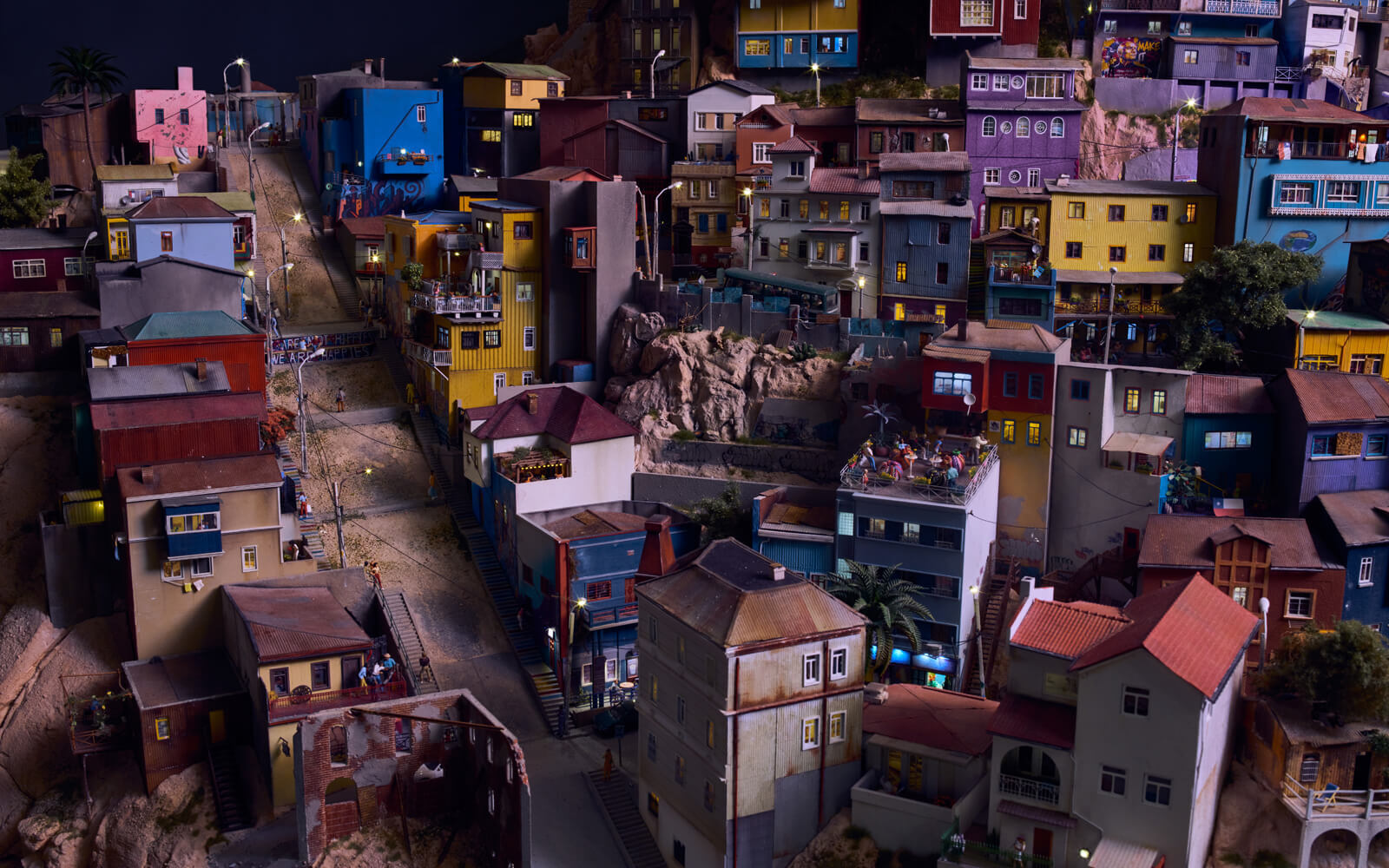
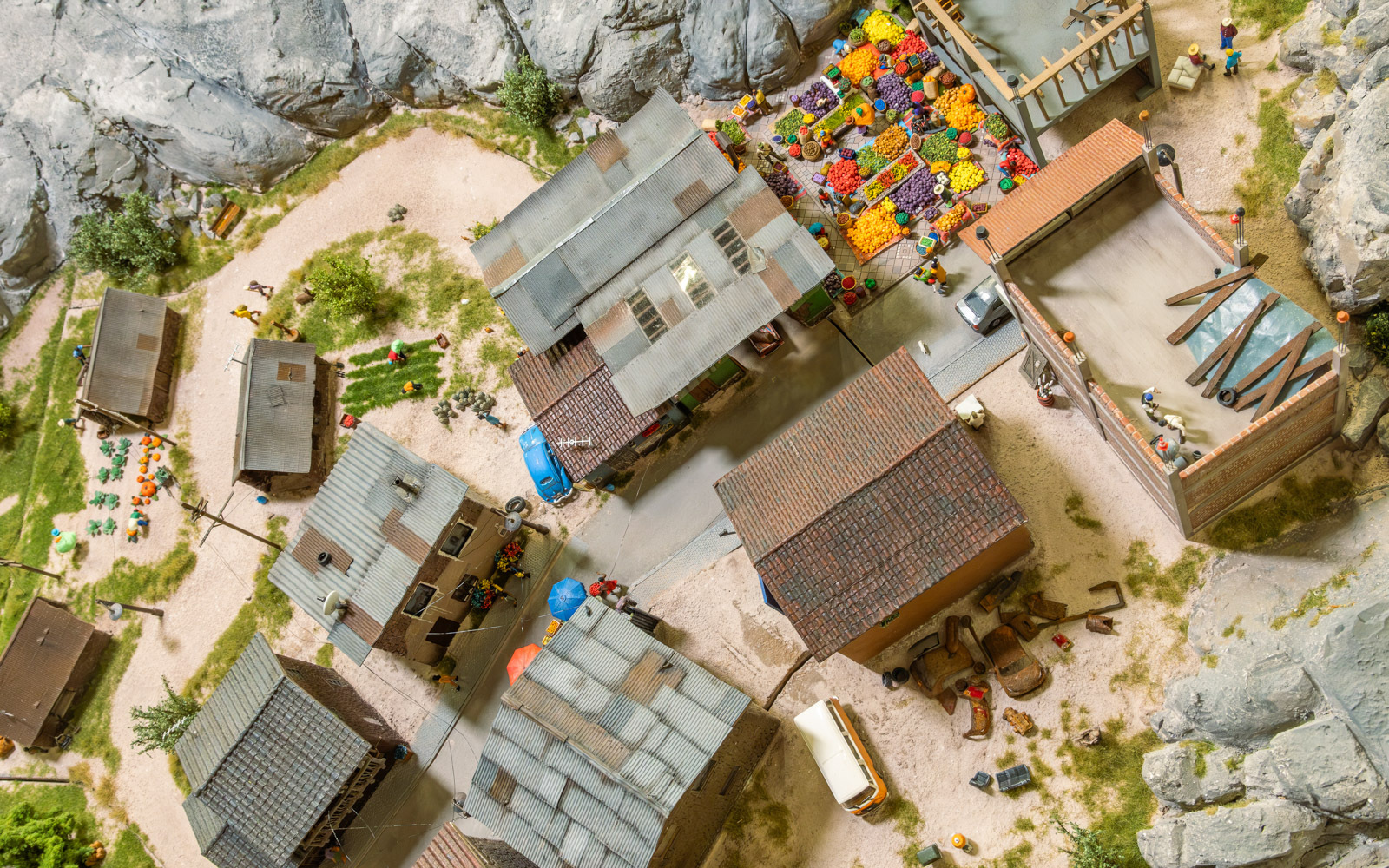
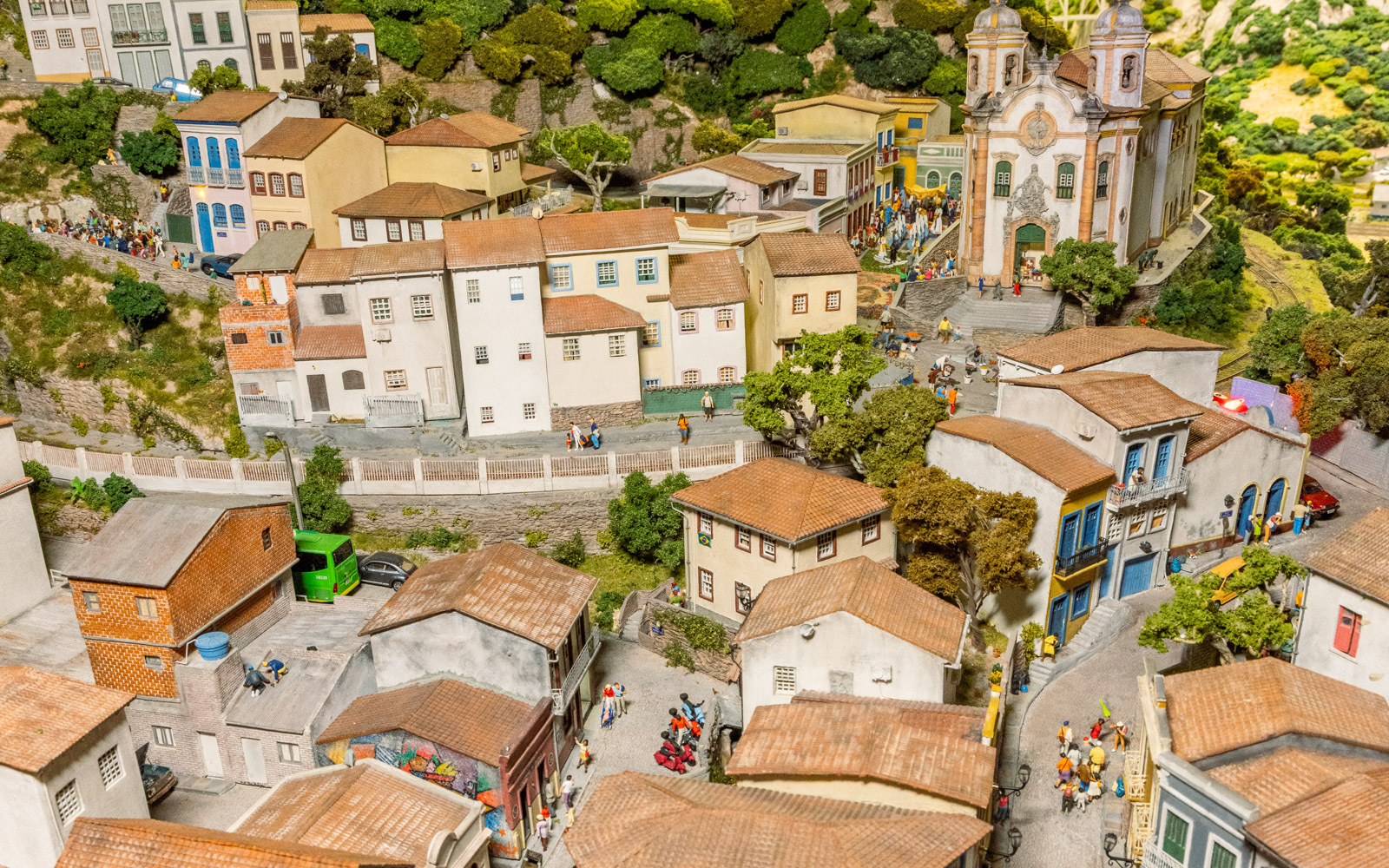
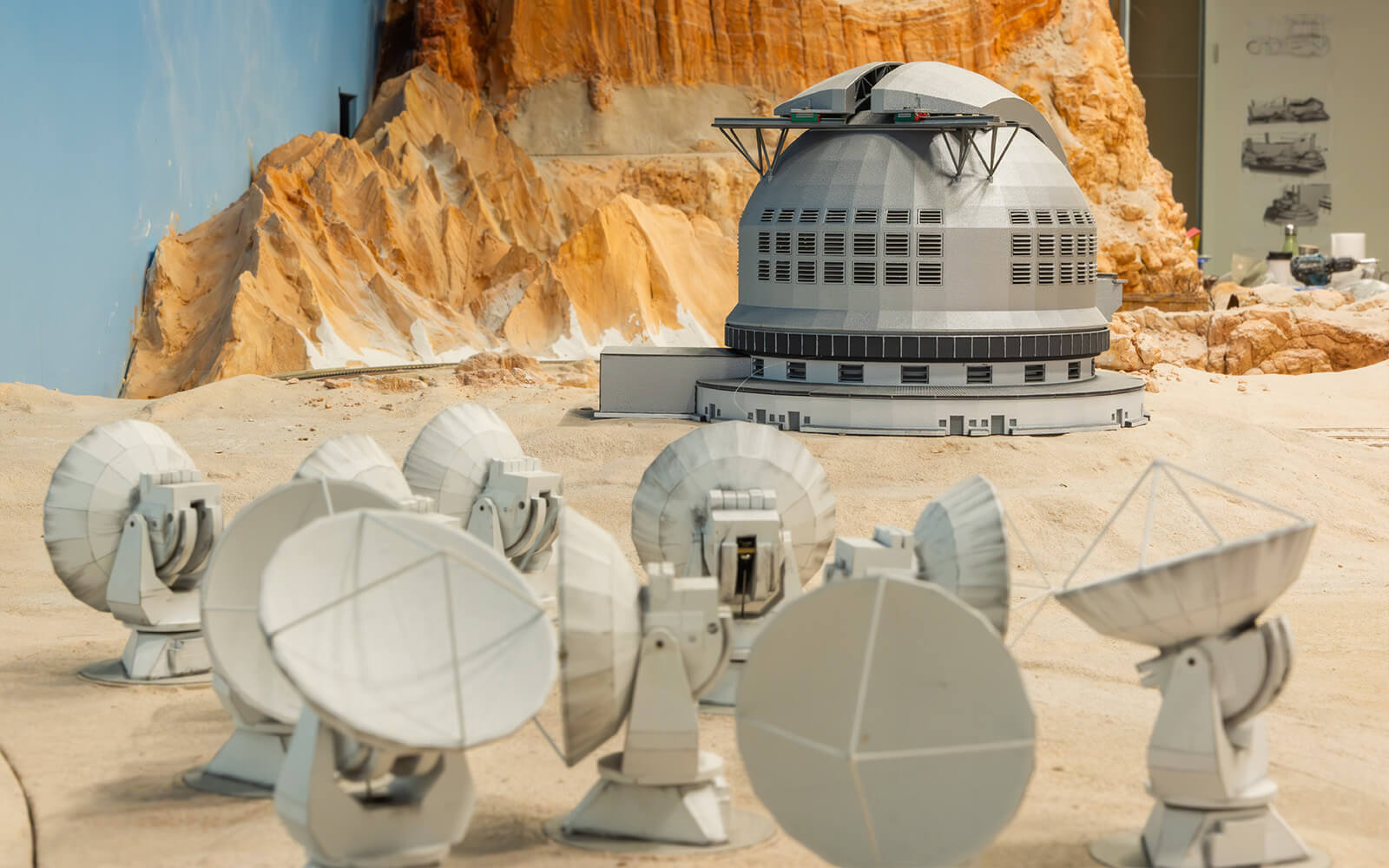
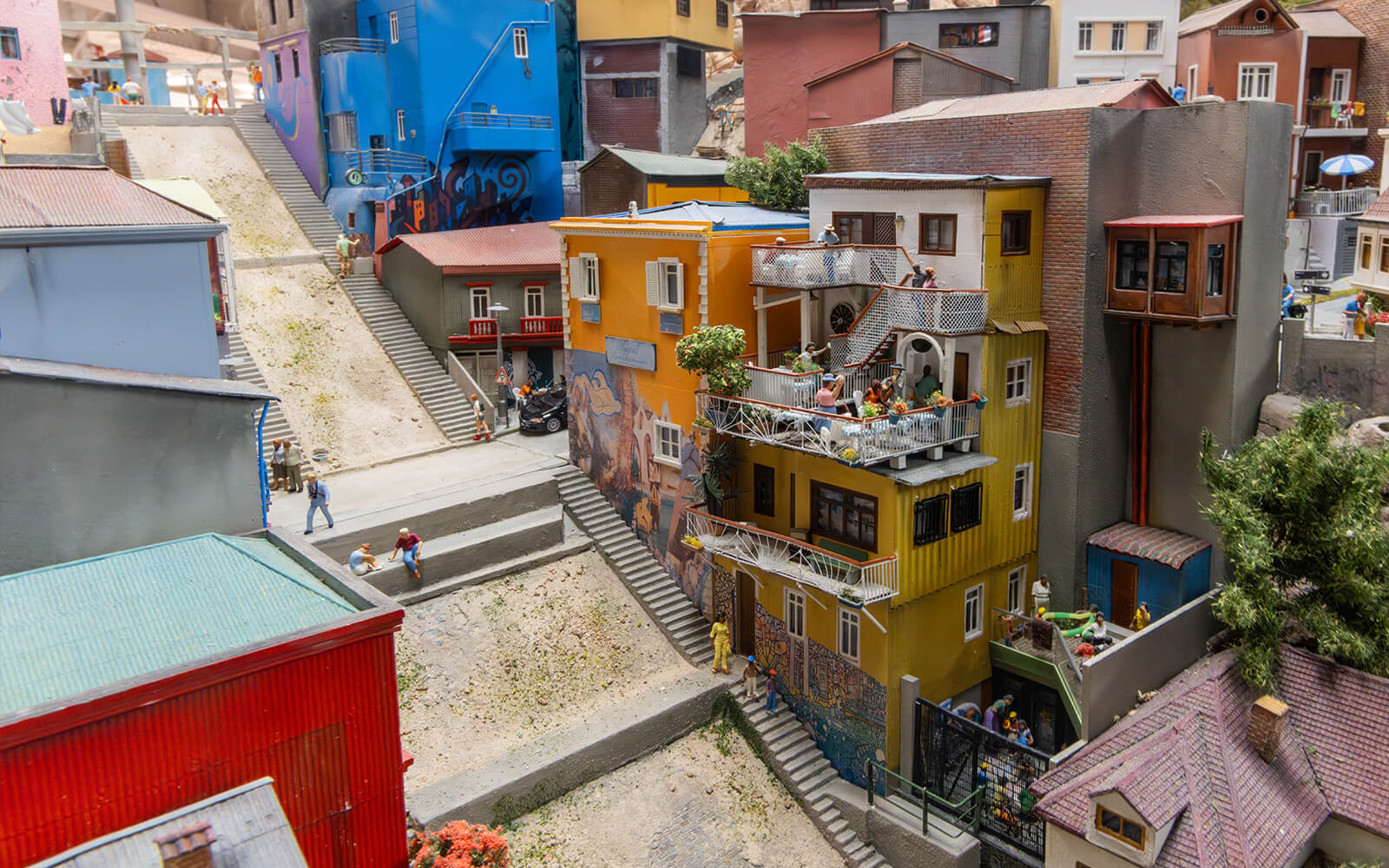
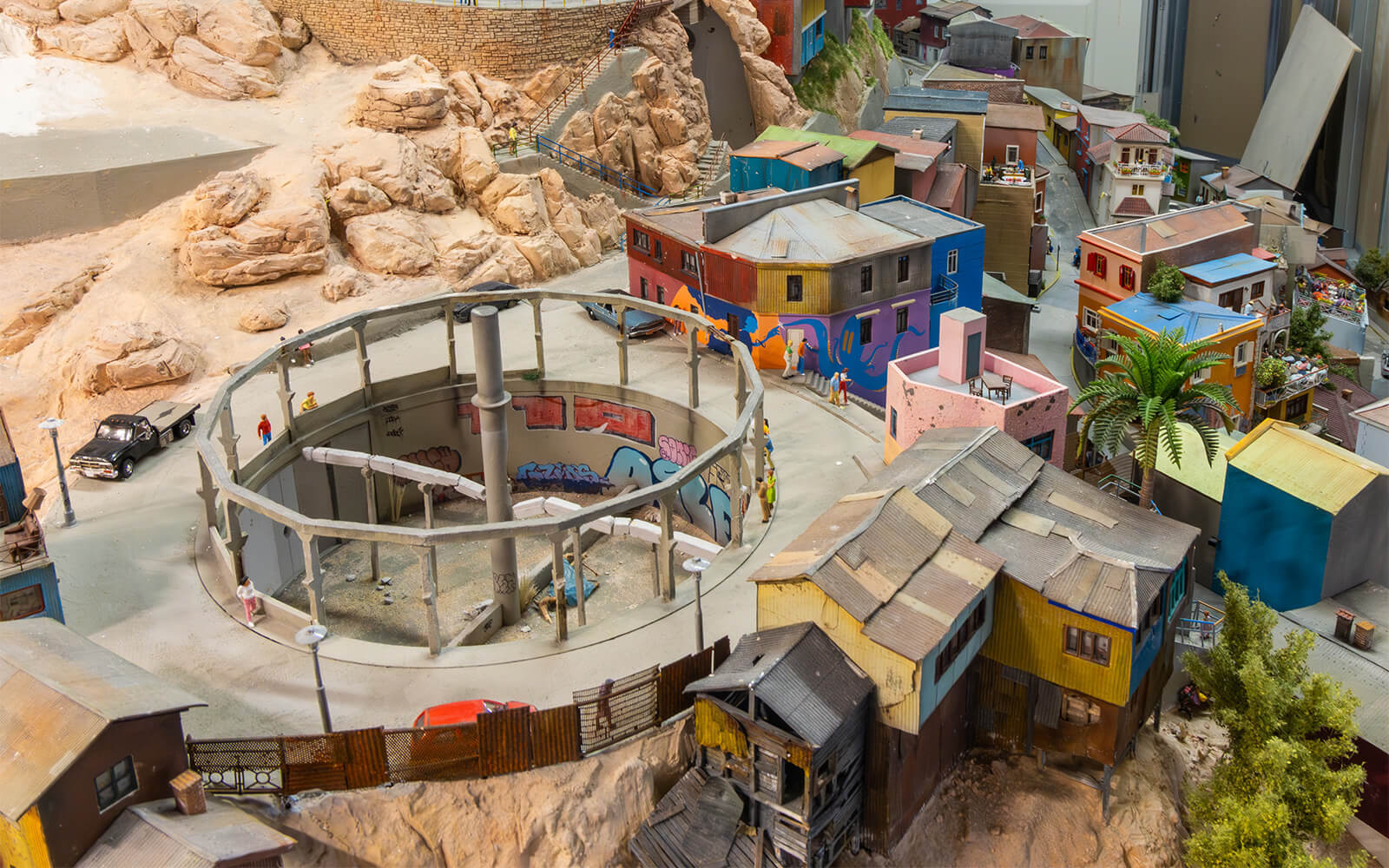
Valparaíso offers a colorful contrast to the barren desert landscape. The Chilean port city is known for its densely built-up hills, artistically painted houses, and historic funiculars. Colorful facades, crooked corrugated-metal houses, and winding alleys give this area a character all its own. When darkness falls, the Atacama reveals another unique feature: towering above the seemingly endless expanse of the desert are the centers of modern astronomy. In addition to the antennas of the ALMA Observatory, the world-famous Paranal Observatory stands out in particular with its Extremely Large Telescope (ELT), whose opening dome and integrated projector displays illuminate a spectacular, deep starry sky over the barren desert landscape on clear nights.
Transportation and Finalization
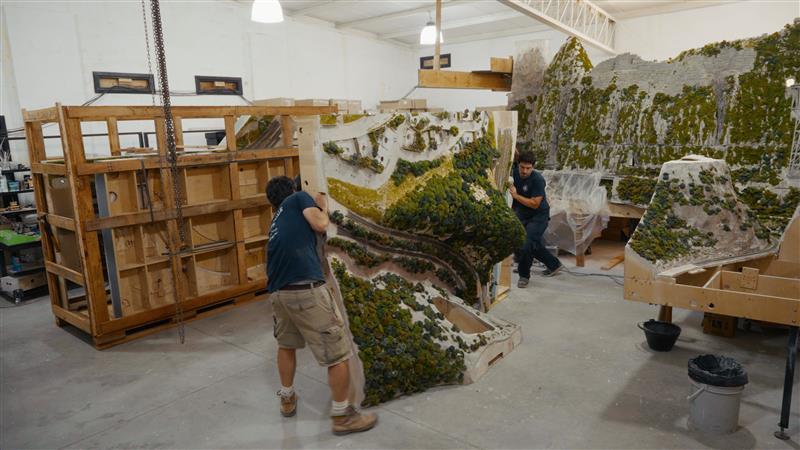
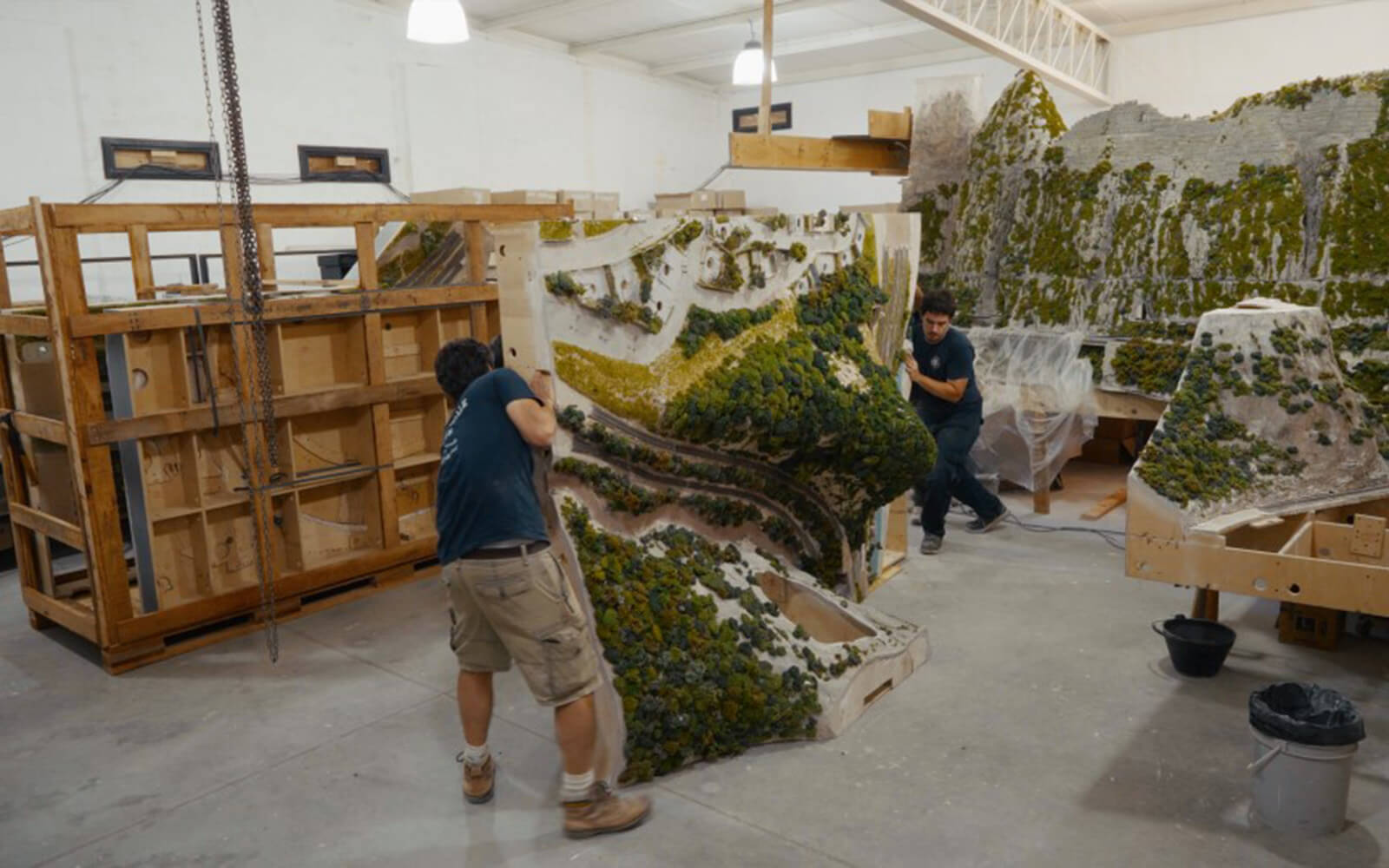
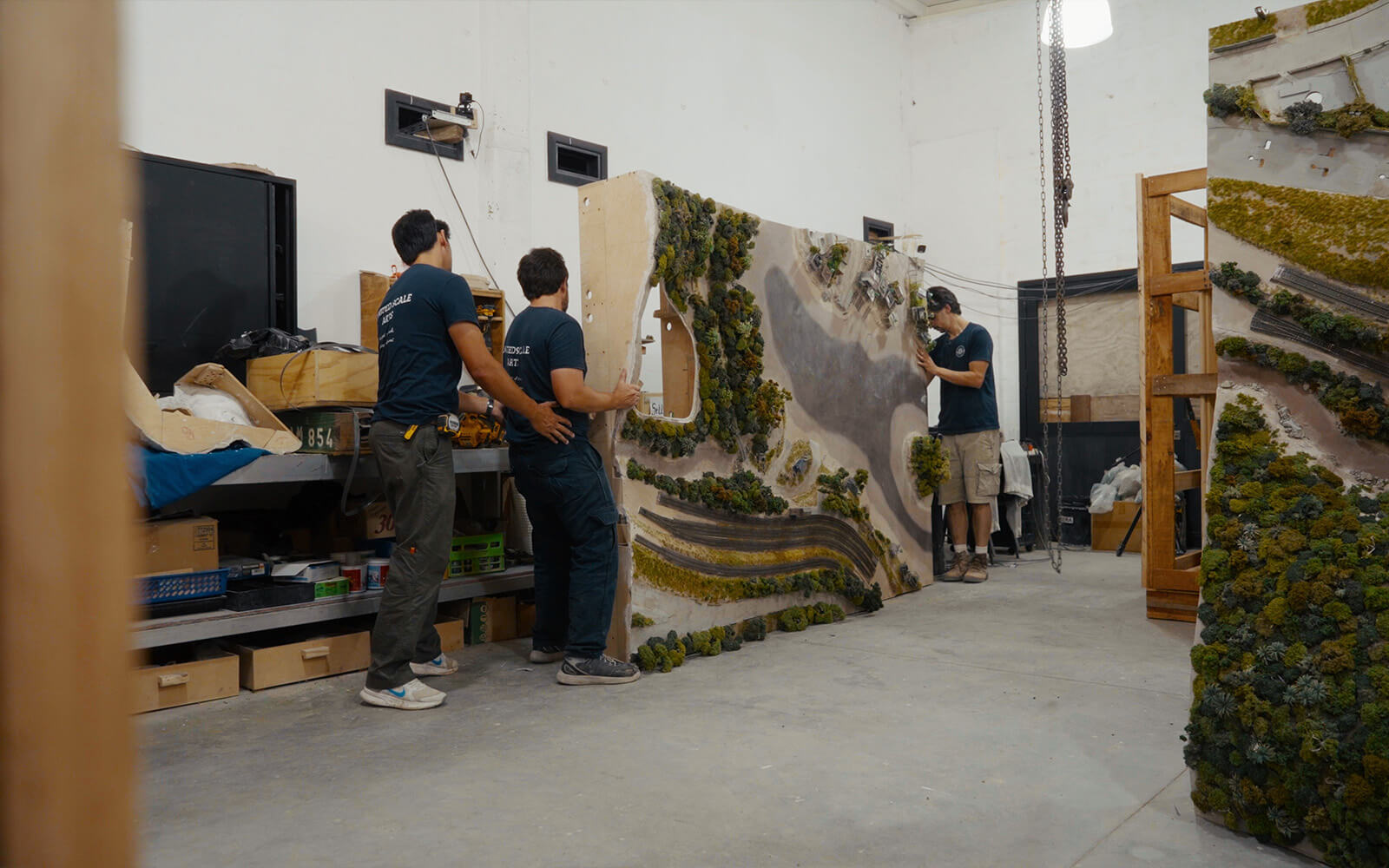
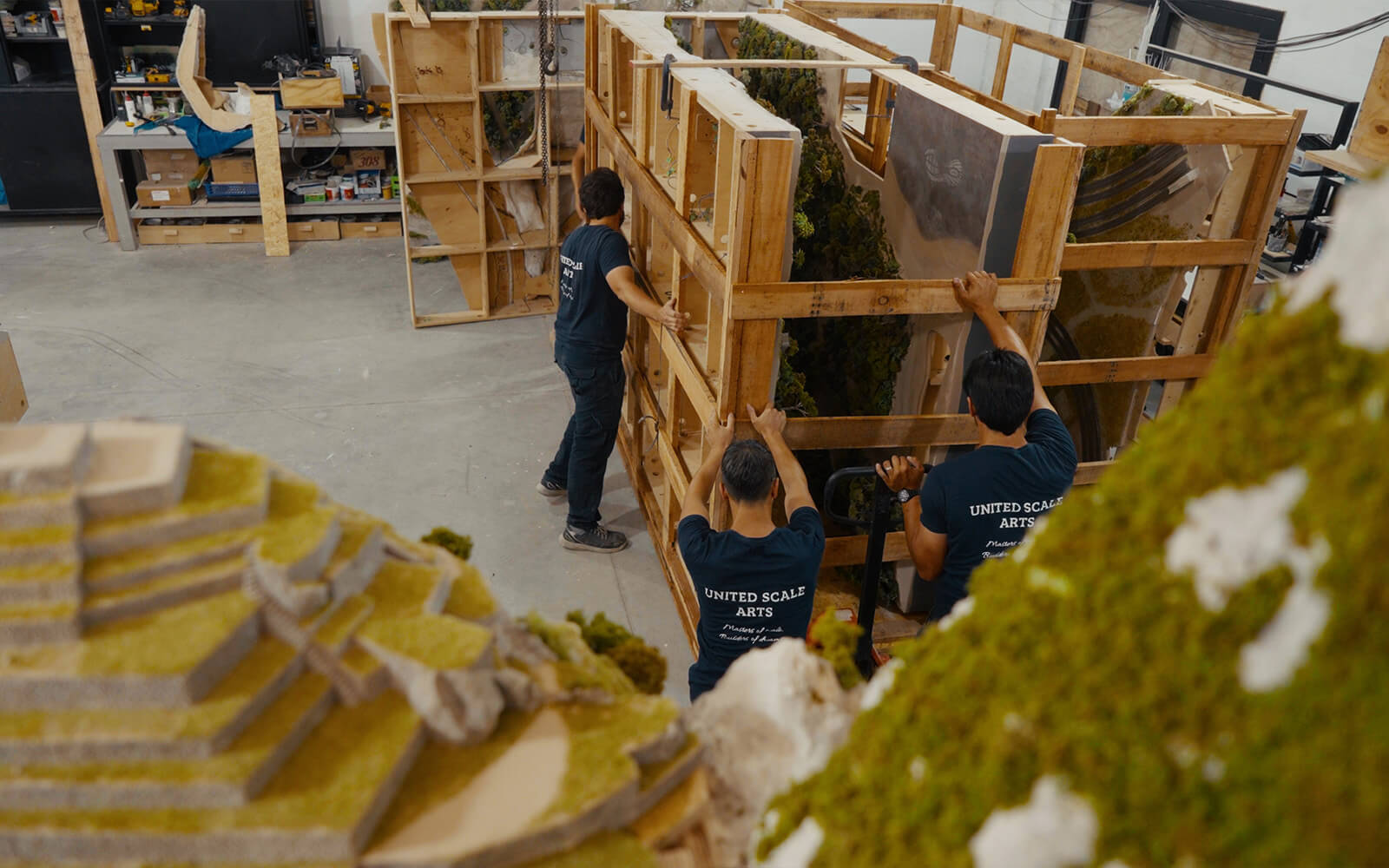
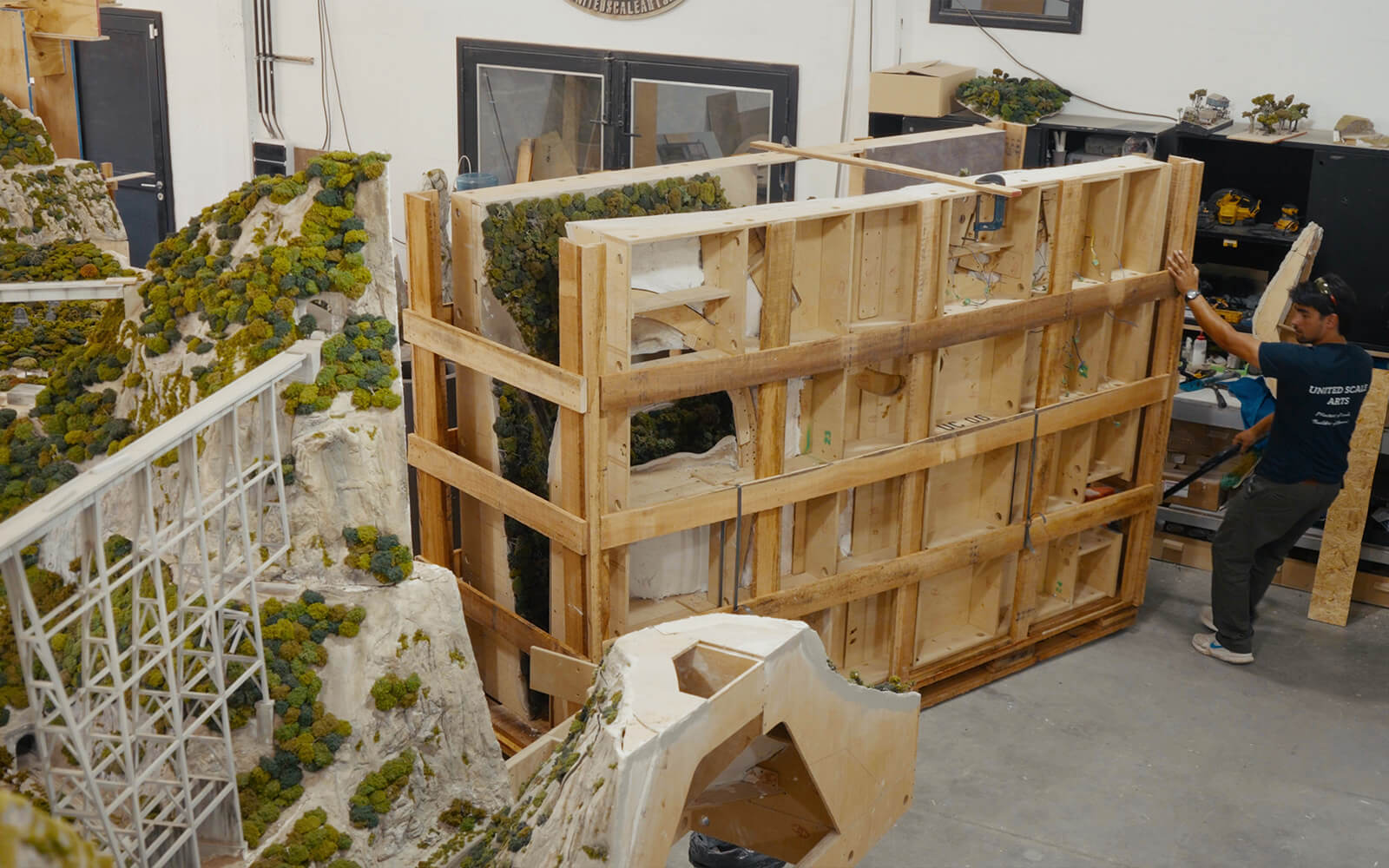
Finally, transporting the rainforest—which was built in Buenos Aires—to Hamburg posed a particular challenge. Dismantled into numerous individual parts and securely packed, the installation set out on its roughly one-month journey across the Atlantic in three large shipping containers. Upon arrival, the individual elements were carefully reassembled, integrated with the surrounding landscapes, and brought to completion.
After many years of planning, countless hours of work, and an extraordinary international collaboration, another piece of South America has thus come to life. This section impressively unites three completely different worlds: the mysterious Amazon rainforest, the majestic mountain ranges of the Andes, and the extraordinary vastness of the Atacama Desert.
Facts & Figures about this Section

2022 - 2026
Construction Period

9th November 2026
Opening Date

175 m²
Layout Size

442
Buildings

861 m
Track Length

90
Trains

150
Locomotives

1,000
Waggons

30,000
Trees

3,780
LEDs

13,000
Figures

over 850
Animals

800 L
Real Water

33
Push Buttons

213
Cars

104
Ships & Boats

205
Switches

31
Bridges

180,000 h
180.000 h
31
Signals

















Layout map